Nurshad Ali, Jenny Katsouli, Eric Auyang, Jorge Bernardino de la Serna
Microplastics and nanoplastics (MNPs) are emerging pollutants widely dispersed in the environment, with humans primarily exposed through ingestion and inhalation. Although their biological effects are being increasingly studied, their potential effect on human health and disease risk remains uncertain. This Review summarises evidence on potential disease risks of human exposure to MNPs, while highlighting key limitations and research gaps. Evidence suggests that MNP exposure might elevate the risk of various diseases, including metabolic, respiratory, cardiovascular, neuroendocrine, hepatic, renal, and skin disorders, as well as infectious diseases, cancer, and ageing-related disorders. Despite extensive evidence of adverse effects in animal models and cell cultures, direct evidence linking MNP exposure to human disease risk remains scarce. A key challenge on research of MNPs lies in the scarcity of robust human exposure data and the narrow scope of existing studies on specific types of MNPs, leaving several environmentally prevalent plastic particles understudied. Addressing these gaps will require investigating the mechanisms of toxicity, relevant biomarkers, and disease pathways associated with MNP exposure. Such efforts will be essential to clarify human health risks and inform future regulatory and mitigation strategies.
Introduction. Plastic pollution has emerged as one of the most urgent environmental challenges worldwide. Beyond its effect on ecosystems, plastics pose a serious and often underestimated threat to human health. 1 Exposure to plastics can cause diseases and deaths across all age groups and is associated with substantial health-related economic losses. 1 Various plastic polymers, including polyethylene, polypropylene, polyvinyl chloride, polystyrene, polyethylene terephthalate, polyamide, polyester, and polycarbonate, are widely produced and used in everyday items. 2, 3 Although several of these plastics are considered safe, some might pose health risks due to their chemical structures or additives. 3 For instance, polyvinyl chloride contains phthalates that are associated with endocrine disruption, whereas polycarbonate often includes bisphenol A, a compound linked to reproductive disorders. 4, 5 Styrene, a component of polystyrene, is classified as a probable human carcinogen, 6 and polyethylene terephthalate might release toxic antimony compounds under high temperatures. 7 The safety of these plastics, therefore, depends on factors such as temperature, duration of exposure, and the specific additives present. 2 Plastic materials undergo various degradation processes, including oxidation, hydrolysis, photodegradation, mechanical wear, and biodegradation, producing debris of different forms and sizes. These breakdown products are known as microplastics and nanoplastics (MNPs). 8 Microplastics are commonly defined as particles smaller than 5 mm, with SI-based definitions setting the lower limit at 1 μm. 9, 10 Nanoplastics, by contrast, are much smaller (1–1000 nm) and can exist as homoaggregates or heteroaggregates, often displaying colloidal properties. 11, 12 They originate from both the degradation of larger plastics and direct industrial production. 11, 12 MNPs can exist in both solid and liquid forms, with the solid form being more prevalent. 13, 14 Solid microplastics typically originate from larger fragments, whereas liquid microplastics represent polymer-based droplets or insoluble oils. 13 Although solid MNPs can sometimes be detected microscopically, smaller particles andliquidforms remainmuchhardertocharacterise. 15 The health impacts of MNPs differ largely due to their size. Nanoparticles, with their larger surface area-to-mass ratio, can more readily adsorb chemicals and penetrate cells. 16 Their small size enables them to cross biological barriers, such as the gut and lungs, and potentially even the blood–brain barrier, leading to greater tissue accumulation than larger microplastics. 17, 18 Both micro- and nanoplastics have been shown to induce inflammation and oxidative stress. 19 Overall, the risks posed by MNPs depend not only on size but also on additional factors such as shape, surface coating, dose, and chemical composition. 20, 21 However, direct evidence of their effects on human health remains scarce and is primarily based on observational studies. Human exposure to MNPs occurs through ingestion (via food and water), inhalation (via dust and air), and dermal absorption. Microplastics released from synthetic textiles and municipal waste are major contributors to airborne exposure. 22 The release of MNPs from plastic injection syringes has also been reported. 14 When ingested in high concentrations, MNPs can induce cellular death and immune responses. 23 Their widespread distribution in the environment has raised public concern, prompting international negotiations to mitigate MNP pollution. 24 Current knowledge about the presence and behaviour of plastic particles in human body fluids and tissues remains scarce. A comprehensive evaluation of the potential health hazards of MNPs requires an improved understanding of their absorption, distribution, metabolism, and excretion in the human body. Moreover, whether microplastics exert dose-dependent effects in humans is unclear. This Review summarises the latest findings on the potential disease risks associated with MNP exposure and identifies key research gaps that warrant further investigation.
Hazard and risk properties of MNPs and their distinction from other toxicants Ahazard refers to an agent with the potentialto causeharm, whereas risk denotes the probability that this hazard will causeharmand the severity ofits potential damage. 25MNPs pose both environmental and human health hazards due to their potential toxicity and tendency to accumulate in organisms. 26 The hazardous characteristics of MNPs include their ability to act as carriers for harmful chemicals, such as persistent organic pollutants, which can leach into organisms upon ingestion. The overall risk posed by MNPs is influenced by factors such as exposure levels, environmental persistence, and the likelihood of adverse effects on human health and biodiversity. 22, 27 One widely discussed mechanism is the Trojan horse effect, in which MNPs serve as vectors, transporting harmful substances, including chemicals, proteins, toxins, and pathogens, into the body. 28, 29Although this phenomenon remains poorly understood, evidence indicates that aquatic MNPs can host biofilm-associated opportunistic pathogens and antibiotic resistance genes, which could interact with gut microbiota. 30 Moreover, MNPs might serve as carriers of other pathogens, including viruses and fungi, posing further health risks. 31 Beyond acting as vectors, MNPs can also release inherent additives incorporated during plastic production, thereby contributing to chemical exposures at the cellular and tissue levels. Ensuring quality assurance and control of test materials and exposure conditions is essential for reliable hazard characterisation and cross-study comparability. Such measures are prerequisites for robust risk assessments, which should integrate findings across organ systems, models, and MNP types to establish mechanistic links to human disease via adverse outcome pathways. Disentangling the contribution of MNPs to adverse health effects from other airborne particulate matter and waterborne pollutants, both of which are already associated with adverse health outcomes, is a major challenge. 32 At present, WHO has not yet completed a formal hazard characterisation of MNPs, although assessments are ongoing. 33 Similarly, the European Food Safety Authority has emphasised the need for more information on the occurrence of MNPs in food and their potential impacts on human health. 34 Understanding these hazard–risk dynamics is therefore crucial for developing effective mitigation strategies and regulatory measures. 35 MNPs differ from conventional environmental toxicants intheir small size and large surface area, whichallows them to absorb contaminants such as cadmium, lead, and arsenic. 36, 37This absorption increases the bioavailability and toxicity of these contaminants in aquatic and terrestrial environments. 36 For instance, in zebrafish, the combined exposure to MNPs and low cadmium concentrations increases oxidative stress and tissue damage, although accumulation might decrease under high cadmium exposure. 38 In soil ecosystems, MNPs have been shown to increase cadmium absorption in earthworms, leading to DNA damage and reproductive problems. 39 MNPs can also induce direct toxicity through oxidative stress and inflammation in aquatic life, plants, and humans via exposure routes such as ingestion, inhalation, or skin contact. 3, 33 In contrast, traditional toxicants such as heavy metals are inherently toxic, affecting neurological, renal, skeletal, and developmental systems, and possess well defined dose– response relationships. 40 What distinguishes MNPs is their dual role—they exert direct toxic effects while simultaneously enhancing the hazards of co-existing pollutants, 41 producing synergistic effects that pose a unique and complex environmental and health threat. Bioaccumulation kinetics and clearance pathways of MNPs The kinetics of bioaccumulation and clearance pathways of MNPs are crucial research areas for understanding the environmental and health effects of MNPs. Bioaccumulation involves the uptake and build-up of plastic particles within organisms over time, affected by various factors such as particle size, shape, chemical make-up, and the feeding and metabolic processes of the organism. 20, 21 The surface charge of MNPs also plays a key role in cellular uptake efficiency, with zeta potential showing a positive correlation with the number of particles that are internalised. 42 Moreover, weathering or ageing processes can modify the physical and chemical characteristics of plastics such as colour, morphology, crystallinity, and density. 43 Smaller nanoplastics are more easily absorbed through cellular membranes and can spread more extensively within tissues. 17 MNPs can cross biological membranes through several methods, including ingestion, cellular uptake (phagocytosis or endocytosis), mechanical stretching, pore formation, or passive diffusion, which facilitates their internalisation and possible movement across tissues. 18, 44 In mouse models, PET imaging studies showed that intravenously injected plastics primarily accumulated in the liver and spleen, whereas intratracheal exposure led to the highest uptake in the lungs. 45 In contrast, orally ingested polystyrene MNPs largely remained in the gastrointestinal tract and were eliminated in the faeces within 48 h. 46
The kinetics of bioaccumulation are influenced by ingestion rate, assimilation efficiency, and the organism’s capacity to metabolise or eliminate these particles. 47 The primary clearance pathways of MNPs include gut egestion, excretion via renal or faecal routes, and possibly alternative routes such as sweat, tears, and breastmilk. Biodegradation might also contribute to clearance, although many nanoplastics display reduced natural degradation, leading to persistent internalisation. 21, 48 However, these clearance processes are not yet fully understood. A deeper understanding of the influence of exposure route and particle size on MNP biodistribution and clearance is essential for comprehensive risk evaluation.
Occurrence of MNPs in human body fluids and tissue DetectingMNPs in human body fluids and tissues presents crucial challenges, 49 including methodological issues, contamination, interference from matrix components, such as lipids, and a lack of standardisation. 16, 50 These factors reduce sensitivity and accuracy and complicate cross-study comparisons. Complex biological matrices, including blood, urine, cerebrospinal fluid, and tissues, further hinder the recovery and quantification of MNPs. 51 The absence of universal reference materials for MNPs in biological matrices also limits method validation and consistency across studies. Moreover, inconsistencies in sample collection, storage, and processing introduce further uncertainty in measurement reliability. The detection of nanoplastics is even more challenging due to their extremely small size, complex tissue distribution, and dynamic physicochemical behaviour. 16, 52 Beyond analytical barriers, many existing studies face limitations from residual confounding and unobserved variables, often resulting from scarce exposure data and heterogeneous study designs. Furthermore, exposure patterns, environmental conditions, and population susceptibilities vary considerably across regions, particularly in low-income and middle-income countries, which might influence the observed associations and complicate the interpretation of findings. Human biomonitoring measures human exposure to environmental contaminants by analysing biological samples such as blood, urine, stool, and tissue. 53 It combines different exposure pathways and routes and is the most direct way to show the presence of some chemicals in the human body. 54 In a 2022 study, a total of 39 microplastics were identified in 11 of 13 lung tissue samples, averaging 0⋅69 ± 0⋅84 microplastics per g of tissue. 55 The dominant polymers found in the samples were polypropylene (23%) and polyethylene terephthalate (18%). Another study identified microfibres in both cancerous and noncancerous lung tissues, with 58% of cancer tissues and 46% of normal tissues showing detectable levels. 56 The study detected 38 microfibres in the lung tumour tissues, including 24 microplastics identified as polyester, rayon, acrylic, polyethylene terephthalate, and phenoxy resin. In contrast, only polyester and rayon were found in normal tissues. In a study of 44 shoe manufacturing workers in Spain, microfibres accounted for 97% of microplastics in the lower airways, with rayon, polyester, and cellulose being the most common polymers. 57 Microplastics have also been identified in the blood of healthy volunteers in the Netherlands. 58 Furthermore, microplastics were found in thrombi from patients with ischaemic stroke (61⋅75 μg/g), myocardial infarction (141⋅80 μg/g), and deep vein thrombosis (69⋅62 μg/g). 59 Microplastics were also detected in preoperative and postoperative blood samples and heart tissue of patients with cardiovascular disease. 60 A considerable accumulation of MNPs has been observed in the brains of deceased individuals with dementia, particularly in blood vessel walls and immune cells. 61 These findings highlight the urgent need to investigate exposure routes, uptake, clearance, and health effects of plastics in human brain tissue. Microplastics, especially polystyrene, polyethylene, and polyvinyl chloride, at sizes ranging from 20 to 100 μm, were detected in paired paratumour and tumour tissues of human prostate. 62 The most frequent microplastics (polymers) identified in the study were polyamide, polyvinyl chloride, and polyethylene. In another study, microplastics were observed in hip and knee samples at concentrations ranging from 1⋅16 to 10⋅77 particles per g. 63 A potential association was also noted between microplastic abundance and specific clinical diagnoses, as elevated microplastic concentrations were linked to enhanced local cellular stress responses, especially the reaction of heat shock proteins. 63 Detectable levels of MNPs have also been reported in human gallstones, potentially aggravating chololithiasis. 64 Furthermore, microplastics have been identified in the human placenta, 65, 66 testis, and semen. 67 Microplastics have also been detected in human urine samples, with particle sizes ranging from 4 to 15 μm, 68 and in human sputum, 69 stool, 70–72 and breastmilk. 73 Among these microplastics, polypropylene, polyethylene, polyvinyl chloride, and polyethylene terephthalate were the most abundant polymer types. These findings highlight the presence of microplastics and microfibres in body fluids and tissues. However, information on the concentration of MNPs found in human samples and their associated health effects is scarce. Furthermore, most toxicological studies are conducted in laboratory settings at high concentrations of MNPs; thus, assessing the real-world impacts of MNPs is difficult.
MNP exposure and potential disease risk
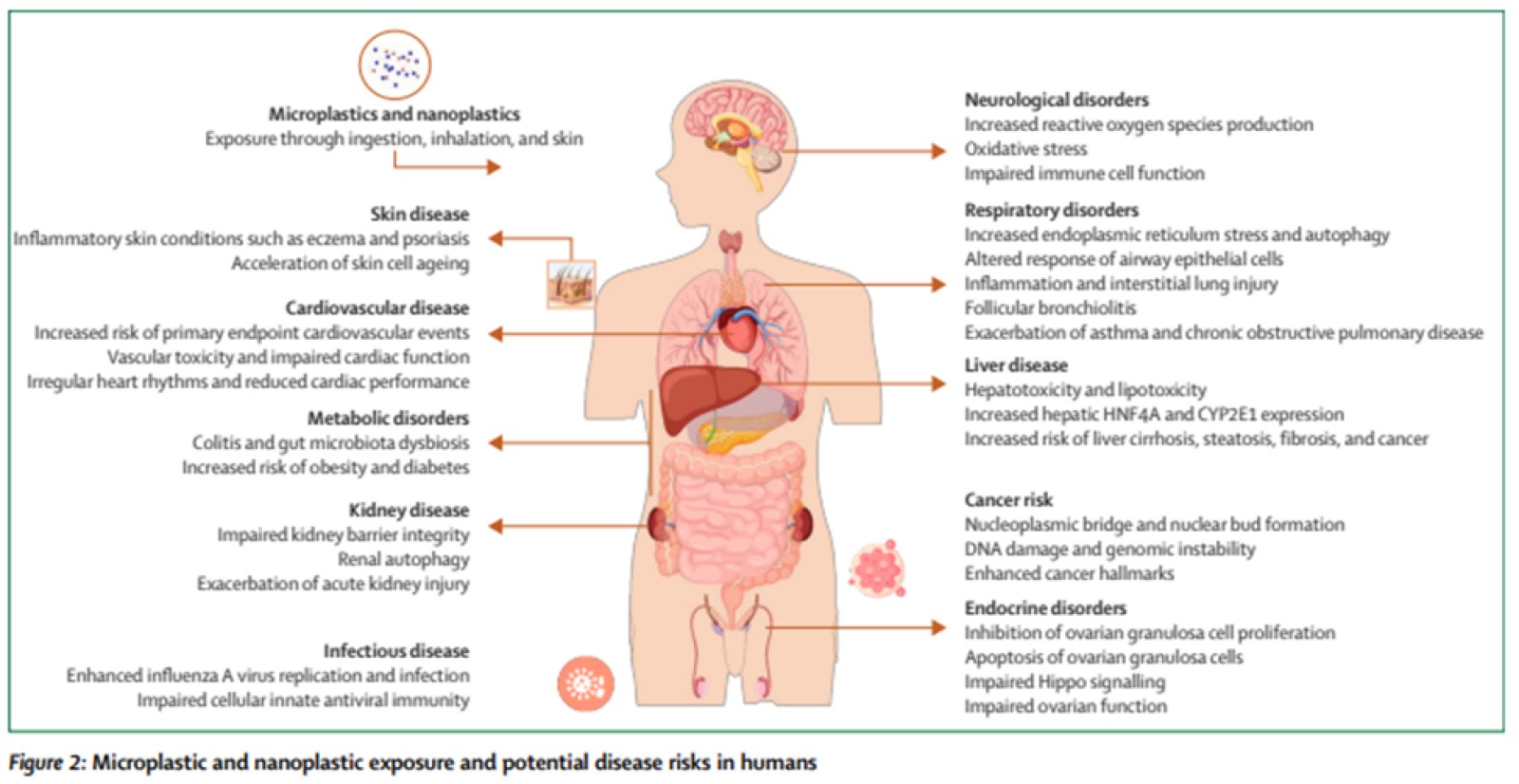
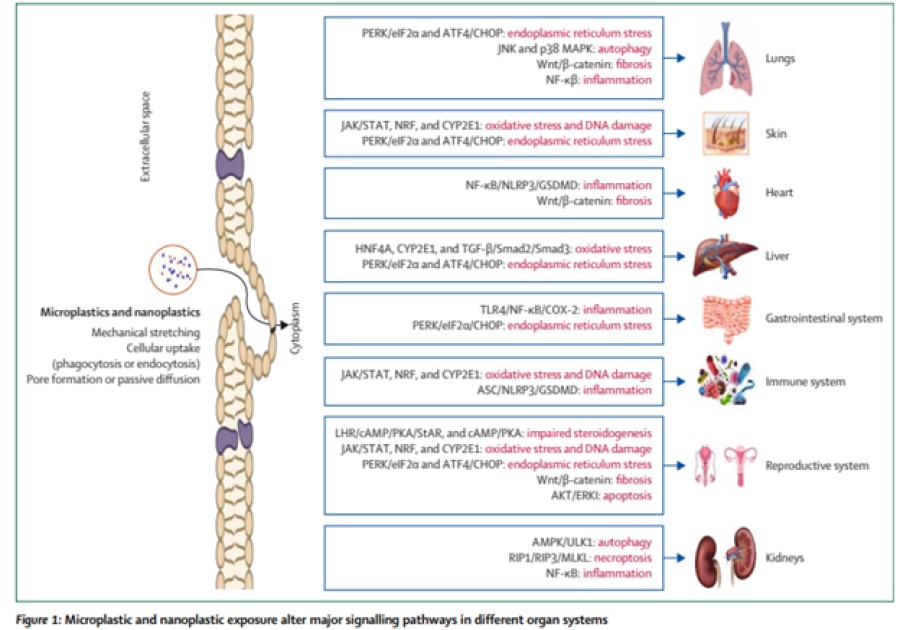
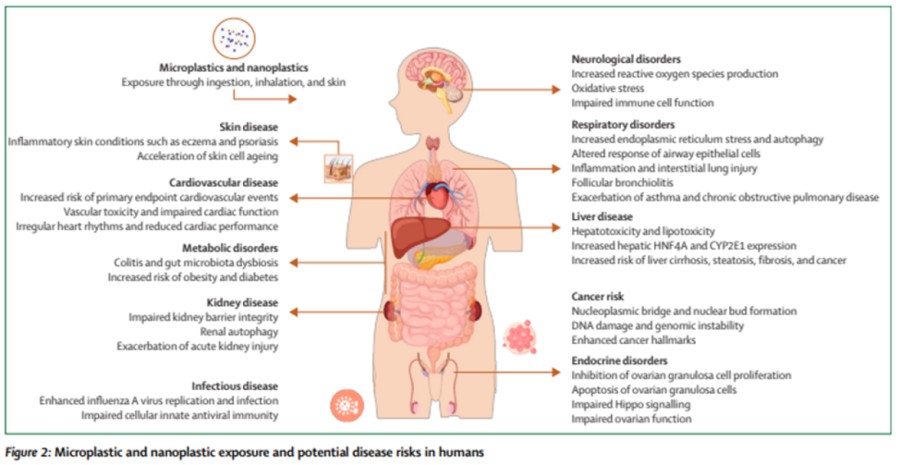
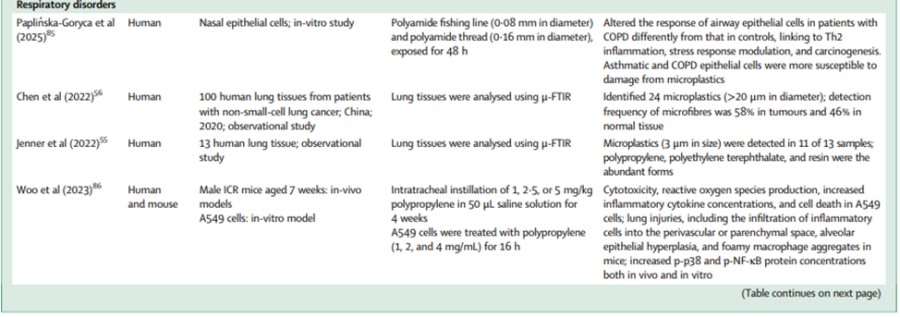
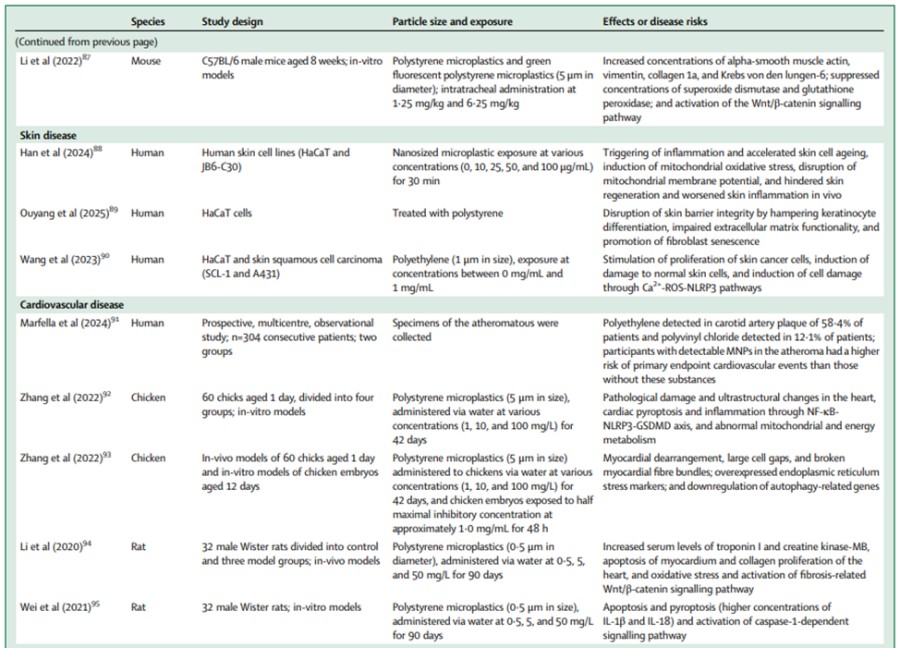
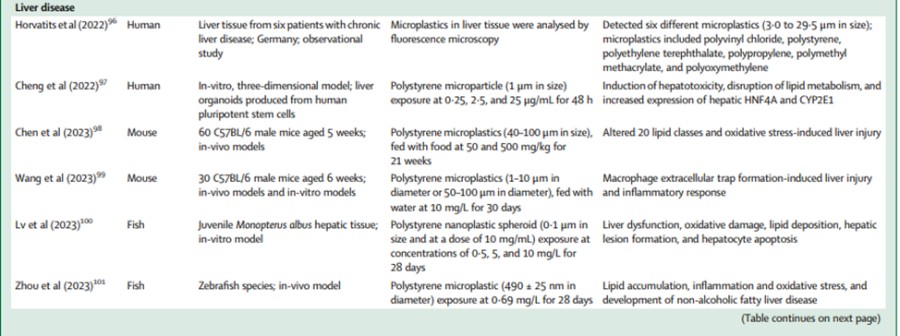
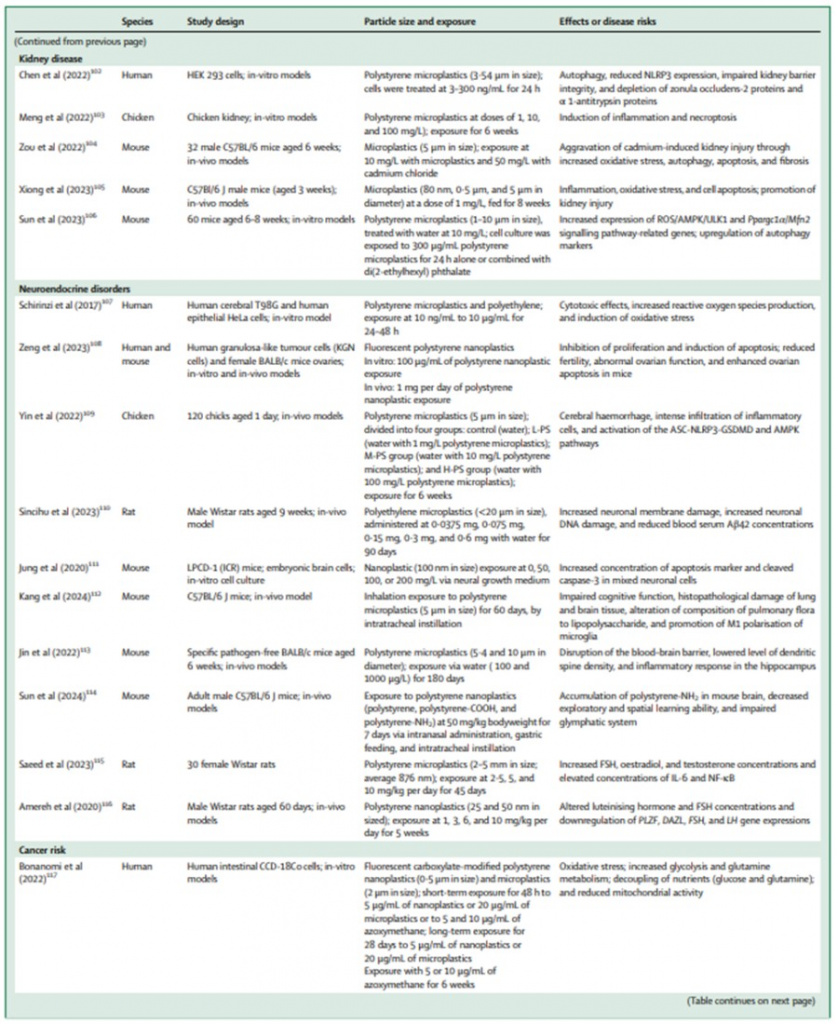
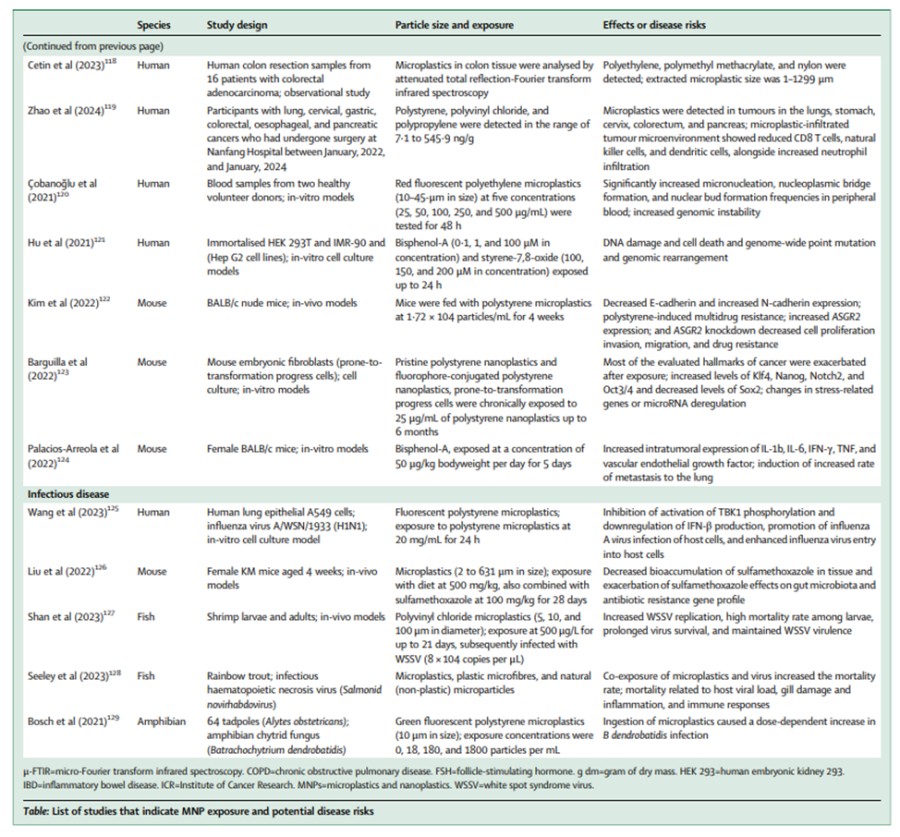
MNP exposure might alter various pathways in different organ systems and elevate the risk of several diseases, as illustrated in figures 1 and 2 and summarised in the table.
Metabolic disorders
Obesity, type 2 diabetes, and inflammatory bowel disease are the most prevalent metabolic disorders worldwide. Emerging evidence indicates that exposure to MNPs might contribute to the development of these conditions. In an in-vivo study, adult male mice were exposed to two different sizes (0⋅5 and 5 μm) of polystyrene beads at two different doses (0⋅1 and 1 μg/mL) for 12 weeks. 75 The polystyreneexposed mice had increased adiposity and hyperglycaemia compared with the control group mice. 75 The increased adiposity was linked to changes in the gut microbiome, notably an increase in the abundance of Firmicutes relative to that of Bacteroidetes. However, it is important to note that the study by Zhao and colleagues75 used commercial polystyrene beads, which differ from natural microplastics found in the environment, which undergo weathering and chemical modification and can bind microorganisms, potentially increasing their toxicity.
Similar findings were also reported in other studies, where the Firmicutes-to-Bacteroidetes ratio, an established marker of gut dysbiosis, was associated with obesity in mice and humans. 130, 131 Another study investigated maternal exposure to polystyrene microplastics during gestation and lactation and assessed potential effects on dams and the F1 and F2 generations. 77 Microplastics led to maternal gut microbiota dysbiosis and gut barrier dysfunction and increased the risk of metabolic disorders. 77 Moreover, maternal exposure to microplastics induced intergenerational effects and longterm metabolic consequences in their offspring.
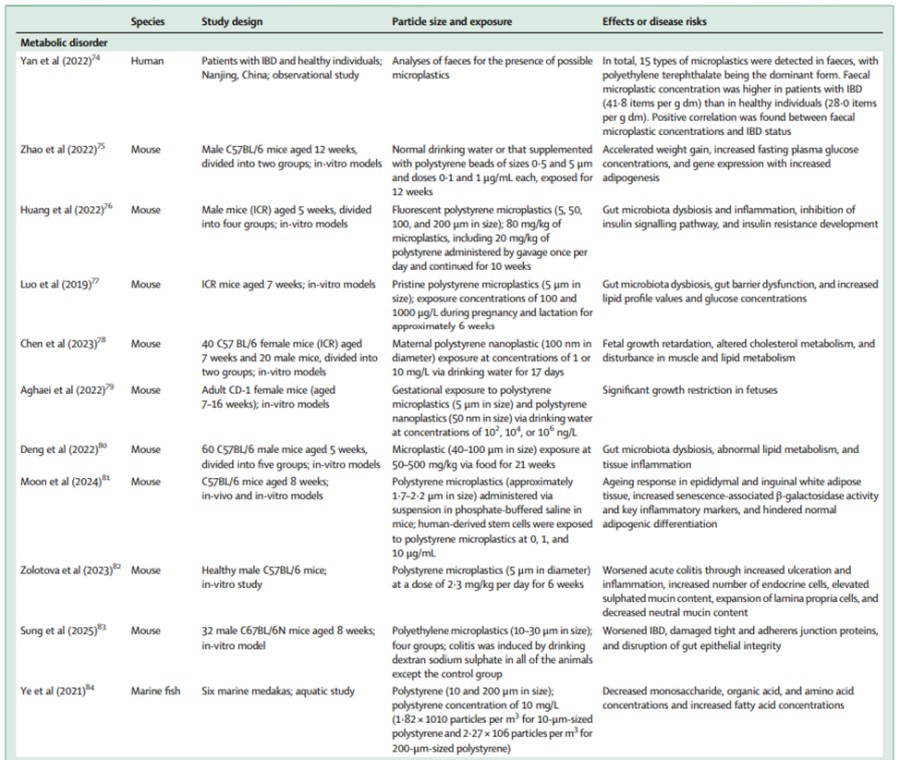
In another mouse model, microplastic exposure induced ageing-like responses in epidermal and inguinal white adipose tissue, increasing senescence-associated β-galactosidase activity and key inflammatory markers. 81 Microplastics also hinder normal adipogenic differentiation by reducing lipid dropletformationand essential adipogenicmarkers. Arecent review further highlighted that MNPs may accelerate ageing and age-related diseases in humans by causing mitochondrial damage and dysfunction, a key marker of ageing. 132 In addition, microplastics have been detected in human gallstones, suggesting that they could worsen cholelithiasis by forming large cholesterol microplastic aggregates and altering gut microbiota. 64
A study on marine medaka found that exposure to polystyrene microplastics (10 and 200 μm) decreased the levels of most monosaccharides, including glucose, organic acids, and amino acids, 84 while increasing the levels of most fatty acids. 84 Thus, polystyrene exposure can impair carbohydrate and amino acid metabolism and related pathways. Other studies have also pointed out that exposure to microplastics and plastic additives, such as heat and UV stabilisers, plasticisers, and flame retardants, has the potential to increase the risk of obesity by affecting metabolism and promoting the growth of fat cells in humans. 133 Some reports suggest that MNP exposure can cause fetal growth retardation and impaired nutrient transfer from mother to fetus. Two mouse studies have shown that maternal exposure to polystyrene nanoplastics (100 nm) and polystyrene MNPs (5 μm and 50 μm) can cause fetal rowth restriction and altered cholesterol metabolism. 78, 79 In another experiment, fluorescent-labelled polystyrene microplastics of varying sizes (5 μm, 50 μm, 100 μm, and 200 μm; 20 mg/kg) were found to cause inflammation, insulin resistance, and gut microbiota dysbiosis by inhibiting insulin signalling pathways. 76 Another study in China analysed microplastics in the faeces of healthy people and patients with inflammatory bowel disease and identified 15 types of microplastics in both groups, with polyethylene terephthalate being the most common. 74 Faecalmicroplastic concentration was higher in patients with inflammatory bowel disease (41⋅8 items per g dm) than in healthy individuals (28⋅0 items per g dm). 74 Exposure to microplastics (40–100 μm) for 21 weeks in mice led to gut microbiota dysbiosis, tissue inflammation, and abnormal lipid metabolism. 80 These findings suggest that abnormal host lipid metabolism might disrupt bowel function. Overall, the evidence suggests that changes in the gut microbiota can affect human toxicodynamics, thereby increasing exposure to chemicals that contribute to obesity and diabetes.
Studies indicate that microplastics exacerbate colitis by disrupting gut homoeostasis, increasing intestinal permeability, promoting inflammation, and damaging both the colon and liver. 134, 135 Microplastic exposure can worsen symptoms such as diarrhoea, weight loss, and bloody stools and might accelerate disease progression in individuals with pre-existing intestinal injury. 135 Long-term exposure to polystyrene microplastics triggers colonic inflammation through the TLR4/NF-κB/COX-2 pathway and alters gut microbiota; the microplastics are also absorbed by intestinal cells, causing cytotoxicity. 136 Oxidised polystyrene microplastics further exacerbate inflammatory bowel disease by disrupting epithelial junctions, 83 whereas other studies report aggravated colitis marked by ulceration, mucus alterations, and lamina propria expansion. 82 In addition, polystyrene microplastics have been shown to induce endoplasmic reticulum stress through the PERK/eIF2α/CHOP pathway in goat mammary epithelial cells. 137 Collectively, these findings highlight the potential of microplastics to intensify intestinal injury and systemic inflammation. Although some animal studies suggest metabolic abnormalities, direct evidence from human studies is lacking. Further research is required to clarify the role and mechanisms of MNP-induced metabolic disorders in humans.
Respiratory disorders
The presence of MNPs in both indoor and outdoor environments has sparked interest in their potential to cause respiratory disease upon inhalation. 26 Current understanding of insoluble particle and fibre toxicity stems from previous case studies involving silicosis, coal workers’ pneumoconiosis, and asbestosis. The main cause of these diseases is the inhalation of mineral particles or fibres, which results in chronic inflammation, lung damage, and scarring due to the bio-persistence ofthese materials within the lung. 138, 139
A recent study in humans investigated the effects of polyamide fibres on nasal epithelial cells, both alone and in co-culture with monocyte-derived macrophages, for 48 h. 85
The results revealed that microplastics altered the response of airway epithelial cells in cases of obstructive lung disease, differing from that of control cells. Additionally, compared with epithelial cells from healthy individuals, epithelial cells from patients with asthma and chronic obstructive pulmonary disease were more susceptible to damage from these fibres. Another study using human bronchial epithelial cells (BEAS-2B) showed that polystyrene microplastics increase endoplasmic reticulum stress through the PERK/eIF2α andATF4/CHOP pathways and might induce autophagy via the JNK and p38 MAPK pathways. 140
In animal models, polypropylene instillation, administered at 2⋅5 mg/kg or 5 mg/kg, caused lung injury in mice. 86
Additionally, in-vitromodelsusingA549 cells indicated that exposure to polypropylene resulted in mitochondrial dysfunction, cytotoxicity, reactive oxygen species (ROS) production, and increased inflammatory cytokines, ultimately leading to cell death. 86 Thus, polypropylene might cause inflammation pathogenesis via the p38 phosphorylationmediated NF-κB pathway due to mitochondrial damage. 86
In other mouse models, intratracheal administration of microplastics (6⋅25 mg/kg) altered oxidative stress markers and activated the Wnt/β-catenin signalling pathway, suggesting pulmonary fibrosis. 87
Although the public health implications of MNPs remain under investigation, the occupational disease risk associated with MNPs inhalation has been reported since the early 2000s. Lung disease in nylon, polypropylene, and polyethylene flock workers was linked to occupational exposure to flock, small micron-sized fibres used in the textile industry. 141–143 A study by Boag and colleagues142 assessed lung biopsy specimens from15 nylonflock workers and concluded that all samples showed occupationalassociated interstitial inflammation. Another study by Kern and colleagues144 reported that biopsy samples from seven symptomatic workers showed interstitial lung disease, as well as a 48-fold increase in its incidence rate in a 165- member cohort from the same flock factory. A similar study in polypropylene flock workers found a 3⋅6-fold increase in respiratory symptoms compared with a control group, as well as elevated serum interleukin (IL)-8 and tumour necrosis factor (TNF) levels. 141 A case report of a 54-year-old Spanish woman with 7 years of occupational exposure to polyethylene flock presented with follicular bronchiolitis following a biopsy. 143 In all cases, the flock fibres were suspected to be the cause of the conditions.
In a 2022 study, Baeza-Martínez and colleagues145 provided the first evidence of microplastics in the lower airway using bronchoalveolar lavage fluids (BALF) samples from lung cancer patients. BALF is a standard diagnostic technique that is widely used to characterise lung surfactant composition146 and diagnose environmental hazards and pathogens in the lower respiratory airways. 147 In their study of European participants, Baeza-Martínez and colleagues145 reported that most microplastics were microfibres (97⋅06%), averaging 9⋅18 items per 100 mL BALF, and only 5⋅88% (0⋅57 items per 100 mL BALF) were particulate microplastics. Occupational toxicity to polyvinyl chloride microplastics, a polymer of a known carcinogen, vinyl chloride, has also been associated with lung disease in workers (eg, salesman, stocker, shoemaker, carpenter, farmer, and cleaner). 148, 149 These workers also reported decreased lung function and an aggressive form of lung cancer as a direct result of polyvinyl chloride dust exposure. Although occupational exposure to microplastic fibres and particles has been linked to an increased risk of respiratory disease, the concentrations encountered insuch settings are far greater than those typically present in the environment. Most studies investigating MNPs from environmental sources, however, rely on clean, commercially available particles. 150 These particles differ considerably from real-world MNPs in terms of morphology, surface chemistry, and size, limiting the relevance of their results. 150
Environmentally relevant microplastic concentrations greatly vary across compartments. For instance, studies have shown that surface waters can contain microplastics ranging from a few particles per L to several thousand per m3. 151, 152 In soil, concentrations might hit thousands of particles per kg, whereas atmospheric deposition could introduce tens to hundreds of particles per m2 on a daily basis. 153, 154 These values provide essential baselines for designing exposure studies that more accurately reflect real-world scenarios. A robust public health risk assessment will therefore require a clearer understanding of chronic, low-level exposures, which are likely to be shaped by local living conditions. Furthermore, because most animal studies to date have been conducted under controlled laboratory conditions, their findings should be carefully validated before extrapolation to human health outcomes.
Skin diseases
The skin serves as a main protective barrier but can permit the penetration of nanoparticles, leading to local or systemic effects. Only ultra-small particles (4 nm) are capable of crossing the skin, whereas larger particles (45 nm) can only penetrate if there is pre-existing damage to the skin. 155 The penetration of nanoparticles into the skin is influenced by various factors, including the intercellular lipid matrix, intracellular routes, sweat glands, and hair follicles. 155 The interaction of MNPs with human skin could contribute to the development of inflammatory and degenerative skin conditions. When MNPs come into contact with the skin, particularly in areas where the barrieris compromised, they might penetrate the stratum corneum and induce oxidative stress, cytotoxicity, and pro-inflammatory signalling in keratinocytes and ebocytes. 156, 157 In-vitro studies have shown that exposure to polystyrene and other plastics can produceROS and lead to the upregulation of cytokines such as IL-6 and TNF, providing a mechanistic link to the exacerbation of inflammatory skin conditions such as eczema and psoriasis with repeated or prolonged exposure. 158, 159 Additionally, MNPs can act as carriers for co-contaminants (such as heavy metals, polycyclic aromatic hydrocarbons, and metal nanoparticles), which might increase dermal toxicity and systemic exposure. 160, 161
In an in-vitro model, two skin cell lines (HaCaT and JB6-C30) were used to examine the toxicological effects of various concentrations (0 μg/mL, 10 μg/mL, 25 μg/mL, 50 μg/mL, and 100 μg/mL) of nano-sized microplastics. 88 The findings indicated that nanoplastics trigger inflammation and accelerate skin cell ageing by inducing mitochondrial oxidative stress, disrupting mitochondrial membrane potential, and recruiting GSDMD to mitochondria, leading to mitochondrial DNA leakage and activation of the AIM2 inflammasome, which promotes inflammation and the ageing process. Nanoplastics also hinder skin regeneration and exacerbate skin inflammation in vivo. 88 Similarly, HaCaT cells treated with polystyrene showed disruption of skin barrier integrity by hampering keratinocyte differentiation, impairing extracellular matrix functionality, and promoting fibroblast senescence through pathways involving PPARγ, all contributing to skin ageing. 89
Another in-vitro study with HaCaT and skin squamous cell carcinoma (SCL-1 and A431) cells exposed to polyethylene (1 μm) at concentrations ranging from 0 to 1 mg/mL (reflecting environmental exposure levels) assessed the influence of microplastics on normal and cancerous skin cells. 90 Results indicated that exposure to microplastics stimulates the proliferation of skin cancer cells and induces damage to normal skin cells via Ca2+/ROS/NLRP3 pathways. In animal studies, exposure to aged microplastics caused oxidative stress, apoptosis, and alopecia in mice. 162Although these results indicate possible pathways for the effects of MNPs on the skin, comprehensive in-vivo studies and longitudinal epidemiological research are required to confirm causality and assess real-world risks, especially for susceptible populations such as infants or individuals with impaired barrier function (eg, atopic dermatitis). 157, 158, 163 Cardiovascular diseases
Exposure to MNPs might adversely affect the cardiovascular system. 164, 165 Although direct evidence from human studies remains scarce, several animal studies have showed cardiovascular toxicity associated with MNP exposure. A review summarised the effects of MNPs in the circulatory systems of both animals and human cell models, highlighting the potential of MNPs to impair cardiac function and induce vascular toxicity. 165 Reported direct cardiac effects include irregular heart rhythms, reduced cardiac performance, pericardial swelling, and myocardial fibrosis. A 2024 multicentre, prospective observational study in Italy on 257 individuals who underwent carotid endarterectomy for asymptomatic carotid artery disease reported the presence of polypropylene in the plaques of 150 patients (58⋅4%) and polyvinyl chloride in the plaques of 31 patients (12⋅1%). 91 Importantly, participants with detectable MNPs in atheroma showed a significantly higher risk of primary endpoint cardiovascular events than those without detectable MNPs. 91 In an animal study conducted by Li and colleagues94, they found that exposure to polystyrene microplastics can result in high serum levels of troponin I and creatine kinase-MB, which can lead to myocardial apoptosis and collagen proliferation in the heart of adult rats. Additionally, polystyrene microplastics can induce oxidative stress, activate the Wnt/β-catenin signalling pathway, and cause cardiovascular toxicity through fibrosis. 94 Further evidence from rat models indicated that microplastics can induce cardiomyocyte pyroptosis and activate the NLRP3/caspase-1 signalling pathway through oxidative stress and inflammation, 95 leading to cardiac fibrosis and cardiac dysfunction. Zhang and colleagues92 examined the effects of polystyrene microplastic exposure on the heart and primary cardiomyocytes of chickens. The findings indicated that polystyrene microplastics caused changes in heart structure, induced myocardial pyroptosis, led to the infiltration of inflammatory cells, and caused mitochondrial lesions. Polystyrene microplastics induced cardiac pyroptosis and inflammation through the NF-κB/NLRP3/GSDMD axis and altered mitochondrial and energy metabolism via AMPKPGC/1α axis. 92 Another avian study reported that polystyrene microplastics can cause myocardial damage, including large cell gaps and split myocardial fibre bundles, leading to myocardial dysplasia in birds, primarily through the endoplasmic reticulum stress-mediated autophagic pathway. 93
Liver diseases
The liver is an important organ in humans and plays vital roles in lipid metabolism and xenobiotic detoxification, making it a potential target organ for environmental toxicants. However, evidence on the hepatotoxic effects of MNPs in humans is scarce. Horvatits and colleagues96 reported a significantly higher concentration of microplastics (3⋅0 μm to 29⋅5 μm), including polystyrene, polyvinyl chloride, polyethylene terephthalate, polymethyl methacrylate, polyoxymethylene, and polypropylene, in patients with liver cirrhosis.
In an experimental study, human liver organoids were exposed to various polystyrene microplastics at concentrations of 0⋅25, 2⋅5, and 25 μg/mL. 97 Even the lowest concentration, close to the environmental concentration, induced hepatotoxicity and lipotoxicity. Polystyrene microplastics increased the expression of hepatic HNF4A and CYP2E1. Cheng and colleagues suggested that polystyrene microplastic-induced adverse outcome pathways might be involved in liver steatosis, fibrosis, and cancer. 97 Similarly, in mouse models, small and large microplastics (40–100 μm) were shown to disrupt lipid metabolism and oxidative stress-induced liver injury. 98 Another study found that polystyrene microplastics induced macrophage extracellular traps, contributing to mouse hepatic injury via ROS/TGF-β/Smad2/3 signalling pathways. 99 In fish models, an in-vitro study by Lv and colleagues100 showed that polystyrene nanoplastic exposure can trigger oxidative damage, liver dysfunction, and lipid accumulation in Monopterus albus. Moreover, polystyrene nanoplastics induced hepatocyte apoptosis via the p53 signalling pathway. Further, zebrafish models suggested that exposure to environmentally realistic concentrations of microplastics (0⋅69 mg/L) and antibiotic residues (oxytetracycline) could disrupt the gut–liver axis and be associated with nonalcoholic fatty liver disease. 101 Although several studies indicate the potential for MNP-induced liver injury in mouse and fish models, extrapolating these results to humans is a challenge. Longitudinal and more human-based studies are required to confirm MNP-induced hepatic injury.
Kidney diseases
The deposition and accumulation of MNPs in the kidney cells might induce physical damage, affect the immune response, and alter several biomarkers. 166 In a study by Chen and colleagues, 102 human embryonic kidney (HEK) 293 cells were exposed to realistic environmental concentrations of polystyrene microplastics (3–300 ng/mL), and microplastic-induced autophagy was observed to reduce inflammatory responses by inhibiting NLRP-3. Moreover, polystyrene microplastics can impair kidney barrier integrity and increase the risk of acute kidney injury by depleting zonula occludens-2 proteins and α1-antitrypsin proteins, 102 potentially increasing the risk of renal disease. In a 2022 study, Meng and colleagues exposed chickens to 1 mg/L of microplastics, representing environmental levels, for 6 weeks. 103 The findings indicated the activation of oxidative stress, inflammation, and necroptosis via the NF-κB and RIP1/RIP3/MLKL signalling pathways. 103 Similarly, in mouse models, Zhou and colleagues104 showed that exposure to microplastics with cadmium chloride aggravates kidney injury by enhancing oxidative stress, autophagy, apoptosis, and fibrosis. Xiong and colleagues105 also showed that exposure to different sizes of microplastics caused kidney injury in mice through inflammation, oxidative stress, autophagy, apoptosis, and fibrosis. Another study by Sun and colleagues106 found that combined exposure to di(2-ethylhexyl) phthalate and polystyrene microplastics induced oxidative stress, activated the AMPK/ULK1 pathway, and promoted renal autophagy. 106
However, the scarcity of human data limits the establishment of a clear causal link between MNPs and kidney disease.
Neuroendocrine disorders
Evidence linking MNP exposure to neuroendocrine disorders remains scarce. In-vitro experiments using human T98G cerebral cells and human epithelial HeLa cells with polystyrene microplastics for 24 h showed increased ROS production. 107 Another study examined the effect of polystyrene nanoplastics on female reproductive health by analysing human ovarian granulosa cells and female mice. 108 The findings indicated that polystyrene nanoplastics hindered cell growth, induced programmed cell death, activated the Hippo signalling pathway, and induced oxidative stress, ultimately leading to decreased ovarian function. In vivo, exposure to polystyrene nanoplastics resulted in reduced fertility, altered ovarian architecture, increased apoptosis, and disrupted follicle development. Neurological effects of MNPs have also been observed in animal models. A study on chickens found that exposure of brain tissue to polystyrene microplastics led to cerebral haemorrhage, intense infiltration of inflammatory cells, and activation of the ASC/NLRP3/GSDMD signalling pathway, resulting in pyroptosis. 109This exposure disrupted mitochondrial dynamics, caused mitochondrial dysfunction, and activated AMPK signalling. 109 In a rat model, exposure to polypropylene microplastics increased neuronal membrane and DNA damage and reduced blood serum Aβ42 levels, indicating that microplastics notably affect hippocampal neurones. 110 Similarly, polystyrene nanoplastic exposure reduced neuronal cell viability and increased apoptosis, as evidenced by cleaved caspase-3 in mouse brain tissue. 111 Polystyrene nanoplastics have been known to cross the blood–brain barrier, 167 causing learning and memory impairments, 113 social behavioural defects, 168 glymphatic system dysfunction, 114 and inducing neurotoxicity in mice. Research has also indicated α-synuclein aggregation linked to Parkinson’s disease169 and Parkinson’s disease-like neurodegeneration by causing energy metabolism disorders. 170 Moreover, inhaled polystyrene microplastics have been found to impair cognitive function by altering lung microbiota and increasing lipopolysaccharides, which promotes M1 polarisation of microglia, indicating a possible mechanism of nerve damage from inhaled microplastics. 112 A study by Saeed and colleagues115 showed that subchronic exposure to polystyrene microplastics caused metabolic and endocrine disruption in female rats through oxidative damage, hormonal imbalance, and chronic inflammation. Another study reported alteration in testosterone, luteinising hormone, and follicle-stimulating hormone upon polystyrene nanoplastic exposure in a rat model. 116 Polystyrene nanoplastics led to the downregulation of PLZF, DAZL, FSH, and LH gene expression, suggesting interference with the spermatogenesis process. 116 Furthermore, polystyrene microplastics might increase microcystin-LR bioaccumulation and exacerbate gonadal damage and reproductive endocrine disruption in zebrafish. 171 A study in a mouse model indicated that polystyrene microplastics might alter steroidogenesis and induce reproductive toxicity through the LHR/cAMP/PKA/StAR and cAMP/PKA pathways. 172
Cancer risk
Current evidence linking MNP exposure and cancer in humans is limited but growing. Some in-vitro studies have assessed the possible carcinogenic risks of MNP exposure. A study conducted on human intestinal CCD-18Co cells showed that both acute and chronic exposure to MNPs resulted in the reorganisation of normal metabolic pathways, similar to the effects of the carcinogenic agent azoxymethane treatment in HCT15 colon cancer cells. 117 In 2024, Zhao and colleagues119 detected three types of polystyrene microplastics—polystyrene, polyvinyl chloride, and polyethylene—in tumour tissues, with detection rates of 80% in lung, 40% in gastric, 50% in colorectal, and 17% in cervical cancers. Concentrations of all three microplastics ranged from 7⋅1 to 545⋅9 ng/g. Microplastics were found in 70% of pancreatic tumours (18⋅4–427⋅1 ng/g). In pancreatic cancer, the microplastic-infiltrated tumour microenvironment showed reduced numbers of CD8 T cells, natural killer cells, and dendritic cells, alongside increased neutrophil infiltration. 119 Another study by Çobanog˘lu and colleagues120 found that microplastics have genotoxic and cytotoxic effects on human peripheral lymphocytes, leading to a marked increase in micronucleation, nucleoplasmic bridge formation, and nuclear bud formation. Even low levels of microplastic exposure have been shown to cause increased levels of genomic instability. 120 Another study investigated the carcinogenic effects of bisphenol A and styrene-7, 8-oxide on immortalised HEK 293 T, lung fibroblast (IMR-90), and liver cancer (Hep G2) cell lines. 121 Results suggest that bisphenol A and styrene-7, 8-oxide can damage DNA and cause mutagenesis in human cells. In a study, microplastics were found in the colon tissues of patients with colorectal adenocarcinoma. 118 The microplastics detected included polypropylene, polymethyl methacrylate, and nylon. Long-term exposure to polystyrene nanoplastics exacerbated most cancer hallmarks, indicating a potential carcinogenic risk of polystyrene nanoplastic exposure. 123 In female mice, bisphenol A exposure increased lung metastasis due to increased intratumoral expression of cytokines IL-1b, IL-6, interferon (IFN)-γ, TNF, and vascular endothelial growthfactor, 124 suggesting a role in breast cancer. In another study, polystyrene microplastic exposure altered gene expression in the gastric tissues of mice, 122 leading to enhanced cancer hallmarks and induced resistance to chemoclonal and monoclonal antibody therapy via the asialoglycoprotein receptor 2. 122
Infectious diseases
The effect of MNPs on infectious disease remains poorly understood. Evidence suggests that exposure to MNPs might enhance pathogen infection and compromise the host immune response. Wang and colleagues125 investigated the effect of polystyrene microplastics on influenza A virus (IAV) infection in human lung epithelial cells. They found that exposure to polystyrene microplastics inhibited TBK1 phosphorylation activation and reduced IFN-β expression. Additionally, polystyrene microplastics exposure enriched IAV entry into host cells and promoted infection by affecting the cellularinnate antiviral immune system. 125 Similarly, exposure to polyvinyl chloride microplastics increased white spot syndrome virus (WSSV) infection and replication and increased mortality in shrimp larvae. Polyvinyl chloride microplastics can also prolong survival and maintain WSSV virulence under various conditions. These findings suggest that microplastics can promote shrimp susceptibility to WSSV infection. 127 In aquatic species, Seeley and colleagues128 observed higher mortality in salmonid fish co-exposed to microplastics and infectious haematopoietic necrosis virus (Salmonid novirhabdovirus) than that seen in the control group, which was linked to viral burden, gill inflammation, and immune response. Microplastics might compromise host tissues, allowing pathogens to bypass defences. 128 In amphibians, microplastic ingestion resulted in a dosedependent increase in Batrachochytrium dendrobatidis infection. 129 Additionally, microplastic exposure in mice reduced the bioaccumulation of sulphamethoxazole but exacerbated its effects on gut microbiota and antibiotic resistant gene profiles. 126 Studies also suggest that microplastic pollution might modify pathogen exposure (eg, multidrug-resistant bacteria) and vector-borne disease dynamics. 173Collectively, thesefindings indicate thatMNPs play a role in infections, although further research is needed to understand their mechanisms and interactions in infectious diseases.
Potential mechanisms for MNP exposure and diseas
MNP exposure might increase the risk of diseases through various interconnected biological mechanisms. When ingested or inhaled, MNPs can induce oxidative stress via ROS, leading to cellular injury and lipid peroxidation. 174, 175 Additionally, MNPs can disrupt the intestinal barrier and gut microbiome, leading to increased permeability, dysbiosis, lysosomal destabilisation, DNA damage, mitochondrial depolarisation, and subsequent systemic inflammation. 176–178 At the cellular level, MNPs can trigger immune activation and persistent low-level inflammation, which are associated with metabolic, cardiovascular, and respiratory issues. 58, 179 Furthermore, due to their small size and unique surface characteristics, nanoplastics might specifically cross biological membranes into the bloodstream and various organs, where they can interfere with endocrine functions and neurotoxic pathways, and even cross the placental barrier. 180, 181 Gut microbiota might contribute to MNP-associated metabolic disorders such as obesity through various mechanisms, including increased short-chain fatty acid production, reduced fatty acid oxidation, altered bile acid circulation, and altered immune responses. 130, 131, 182 Polystyrene nanoplastics have been shown to enter Caco-2 cells through macropinocytosis and clathrin-mediated endocytosis, disrupting tight junctions. 183 Polystyrene-NH2 and polystyrene-COOH showed increased toxicity, possibly due to their easier entry into the cells. 183 In a HUVEC model, polystyrene-NH2 nanoplastics caused dysregulation of gene expression related to mitochondrial dynamics, replication, and function. 184Pulmonary surfactants are crucial for reducing surface tension and preventing alveolar atelectasis. 185 Polystyrene nanoplastics have been found to cause biophysical dysfunction of pulmonary surfactants by disrupting their ultrastructure and mobility, 186 leading to a collapse of thevsurfactant film. This exposure leads to lung injury, reduces lung repair capacity, disrupts epithelial barrier function, and leads to lung diseases such as asthma and chronic obstructive pulmonary disease. 187, 188 Exposure to polyethylene microplastics in vitro has been shown to cause genomic instability in human peripheral lymphocytes, characterised by marked increases in micronucleation, nucleoplasmic bridge and nuclear bud frequencies. 120 The possible molecular mechanisms of microplastics might include damaged chromosome fragments and whole chromosomes, leading to the formation of dicentric chromosomes and gene amplification in humans. 189 In terms of infectious diseases, polystyrene microplastics were found to promote IAV infection by affecting endocytosis and the innate antiviral immune system via RIG-I-like receptors. 125 Polystyrene microplastics facilitate IAV entry into cells via endocytosis and inhibit TBK1 and IRF3 activation, thereby reducing type I IFN and IFITM3 production and enhancing IAV infection. 125 The nucleoprotein structure provides a framework for understanding how polystyrene microplastics promote viral RNA replication when interacting with the viral RNA polymerase. 190 Overall, these mechanisms indicate that MNPs have the potential to drive systemic toxicity and contribute to the development of chronic diseases across multiple organ systems. This finding underscores the urgent need for mechanistic research focused on environmentally relevant exposure levels to strengthen the scientific links between MNP exposure and health risks in humans.
The causal relationship between MNP exposure and potential disease
Establishing a causal relationship between MNP exposure and disease requires a combination of epidemiological, toxicological, and mechanistic approaches within an integrated framework. Well structured prospective cohort studies and case–control studies across various populations can help to measure the associations between MNP exposure, such as through ingestion, inhalation, or skin contact, and health outcomes while accounting for confounding variables. Accurate exposure assessment should usenovel biomarkers (such as polymer-specific metabolites and additives derived from plastics) along with environmental monitoring to minimise misclassification. Furthermore, developing reliable biomarkers for MNP exposure in human samples (such as blood, urine, or tissue) and utilising environmental monitoring data to measure microplastic concentrations in air, water, food, and otherrelevant sources for participants might be effective in determining causality. Experimental toxicology using environmentally relevant concentrations in in-vitro models and mammalian systems can help to clarify dose–response relationships and pinpoint biological targets such as gut barrier integrity, inflammation, oxidative stress, and immune modulation. The adverse outcome pathway frameworks can systematically arrange mechanistic data into a causal sequence from exposure to negative health outcomes, assisting in both biomarker selection and risk evaluation. Cross-species extrapolation, meta-analyses, and causal inference techniques (such as directed acyclic graphs, instrumental variable analyses, and negative control designs) can strengthen causal inferences by combining evidence from diverse study designs and contexts. Moreover, translational epidemiology that connects exposure assessments with clinical outcomes and health economics can guide public health strategies and regulatory choices. To advance causal understanding, consistent collaboration across disciplines, standardised exposure metrics, and clear reporting are essential across research efforts in this emerging field.
Regulation and mitigation strategies of MNP pollution
Effective management of MNP pollution requires coordinated regulatory measures at international, regional, and national levels to prevent, reduce, and remediate MNP contamination. These measures could include prohibiting specific products containing MNPs, strengthening waste management systems, and advocating for circular economy practices. 191, 192 A number of regulations have been enacted worldwide, targeting materials such as polystyrene, polyethylene, and polypropylene. Although these initiatives, including bans on expanded polystyrene in food packaging and restrictions on single-use plastics, are essential, their success differs across countries, indicating the need for more comprehensive strategies. 193 Recent policy measures have also focused on secondary microplastic sources, such as tyre wear and synthetic fabrics, by enhancing road runoff management and introducing washing machine filtration systems. 194, 195 A comprehensive approach to MNP mitigation could be beneficial in addressing the pollution and exposure. A key strategy is source reduction through the creation of biodegradable plastics and enacting policies that reduce single use plastics, while also enhancing waste management systems to prevent plastic waste from entering ecosystems. 191 Strengthening wastewater treatment plants with advanced filtration techniques, such as membrane bioreactors, can efficiently eliminate MNPs before they are discharged into water bodies. 196 Innovative clean-up solutions, such as utilising large-scale ocean collection devices and creating nanomaterial-based filters, are essential for alleviating the current environmental plastic load. 197, 198 Reinforcing regulatory frameworks, such as international agreements on plastic reduction and bans on microbeads, coupled with fostering public awareness campaigns, are crucial for achieving long-term results. Advancing scientific research to refine detection methods and monitor pollution levels enables more targeted interventions. 199 Economic instruments, such as subsidies or tax incentives for sustainable materials and eco-friendly innovations, can further support a transition to a low-plastic future. Collectively, these approaches can greatly reduce MNP pollution and mitigate associated risks to both human health and ecosystems.
Research gaps
The relationship between MNP detection methods in human biological fluids and tissues and disease occurrence remains complex and poorly understood. 200 Techniques, such as spectrometry and Raman and Fourier transform infrared spectroscopy, assess the presence and characteristics of MNPs. Current research methods primarily include microscopy, gene expression analysis, and biochemical assays. However, integrating advanced techniques such as multiomics, nanotechnology, and machine learning could enhance the understanding ofthe molecular toxicity of these plastics and help to identify potential biomarkers and therapeutic strategies. The particle size, shape, polymertype, surface chemistry, and additives vary across studies. Furthermore, the absence of standardised reference materials and harmonised protocols for characterising and reporting data limits comparability. Distinguishing the effects of MNPs from those of contaminants that adhere to their surfaces is challenging. Most experimental studies have focused on particles between 1 and 10 μm, which might not reflect real-world conditions, as larger particles are typically filtered out before entering the bloodstream. Laboratory studies often use synthetic particles with high concentrations that exceed typical environmental or human exposures to identify effects and mechanisms. Although these high-dose experiments reveal toxicokinetic pathways, their results might not reflect actual risks. Low-dose exposures could produce different outcomes due to accumulation or adaptive responses. Methods for quantifying MNPs in complex human biological samples are still in their early stages of development. 49 Existing studies have faced obstacles related to contamination and interference from matrix constituents, including lipids. Future research should emphasise the development of standardised analytical protocols free of contamination, enhance sample preparation methods to minimise matrix interference, and validate techniques across different laboratories to ensure reproducibility and comparability of results. Considerable variation also exists in sensitivity analyses and confounder control across studies. Although demographic factors such as age and sex are often included, other potential confounders, such as dietary patterns, occupational exposures, and co-pollutants are often neglected, introducing potential unmeasured confounding. Consequently, priority was given to studies that were consistent across analytical models and supported by biological plausibility. Future research should adopt more comprehensive designs and advanced analytical techniques to minimise bias and strengthen causal interpretations. Translating findings into real-world implications requires consideration of dose equivalence, exposure routes, particle characteristics, co-exposures, and factors such as age. Risk assessments should therefore prioritise environmentally relevant doses, chronic exposure data, and individual susceptibility. Recent evidence suggests that MNPs can be transported to other organs through the bloodstream once introduced into the body, potentially causing harmful effects. However, uncertainties remain regarding their persistence in tissues, elimination rates, and the time required for excretion. Currently, no studies exist on the human biokinetics of MNPs, leaving a major gap in understanding uptake, distribution, retention, and excretion. Although animal studies suggest that MNP exposure can have adverse health effects, extrapolation to humans is difficult due to limited data on realistic exposure concentrations. Further investigations into dose–response relationships, vector effects, and mechanisms of action are necessary to clarify potential effects on human health and disease progression. The properties and distinctions between environmental microplastics and other ambient natural or engineered nanoparticles are largely unknown and require further study. To confirm whether observed effects are specific to microplastics, comparisons with standard reference materials and positive controls (eg, engineered nanomaterials, silica particles, and natural polymers) would be beneficial. Moreover, data on long-term and population-level exposure remain limited, complicating policy-relevant risk assessment. Improvements in data quality, reproducibility, and transparency are crucial, including preregistration of studies and open data practices. Current evidence largely derives from European or highincome populations, limiting the broader applicability of findings. Environmental exposure levels, wastemanagement systems, population susceptibility, and policy enforcement vary widely across differentregions, especially in low-income and middle-income countries. These disparities can impact both the exposure magnitude and health outcomes. Therefore, expanding research to diverse geographical and socioeconomic contexts is important to better understand global disease burdens and to develop region-specific mitigation strategies to address MNP pollution.
The health-care sector also bears responsibility for addressing the effects of plastics on health. Medical professionals can advocate for a robust and legally enforceable global treaty on plastics that protects both health and the environment. 201 Ultimately, bridging these research gaps requires interdisciplinary collaboration among environmental scientists, medical researchers, and polymer scientists. Although a complete risk assessment is still a long way off, addressing majorresearch gaps is crucialfortimely decision making on health policies and mitigation strategies.
MNP pollution within the planetary health framework
Planetary health emphasises the interdependence between human welfare and the integrity of Earth’s natural systems. The increasing accumulation of MNPs in terrestrial, freshwater, and marine environments poses a challenge to planetary boundaries, linking environmental degradation to human health. Globally, it is estimated that approximately 8–12 million metric tonnes of plastic waste enter the oceans annually,202 resulting in MNP concentrations ranging from 0⋅1 to 1000 particles per L in surface waters.203 This contamination disrupts aquatic food chains and leads to the bioaccumulation of both particles and additives across various trophic levels.204 As discussed, human exposure to MNPs occurs through ingestion, inhalation, and skin contact, with these particles found in drinking water, table salt, and human body fluids
and tissues.58,180 Toxicological studies indicate that MNPs can cause oxidative stress, inflammation, endocrine disturbances, and mitochondrial dysfunction in both cellular and animal studies.205 These pathways of toxicity reflect factors that contribute to non-communicable diseases, thereby linking environmental pollution to human health—a key principle of the planetary health approach. From the perspective of sustainability, persistent plastic pollution undermines multiple Sustainable Development Goals (SDGs), particularly SDG 3 (Good Health and Wellbeing), SDG 12 (Responsible Consumption and Production), and SDG 14 (Life Below Water). However, existing quantitative evaluations rarely incorporate these effects into planetary-scale metrics. To address this gap, interdisciplinary models that can assess cumulative exposures, ecological service loss, and associated health risks are needed. Integrating such assessments into the planetary health framework can enhance MNP research, moving from isolated toxicological findings to actionable evidence for global sustainability efforts.
Although this Review highlights emerging quantitative data linking MNP pollution to the planetary health framework, the evidence base remains scarce. Existing research often lacks standardised measurement techniques and comprehensive global exposure assessments, limiting the ability to accurately quantify sustainability effects. Consequently, our interpretations should be considered indicative rather than conclusive, highlighting the necessity of integrated, long-term, and cross-ecosystem studies to generate reliable data that connect MNP burdens to global sustainability outcomes.
Search strategy and selection criteria Relevant studies were identified through searches in scientific databases, including ScienceDirect, PubMed, MEDLINE, and Google Scholar, using the following keywords: “microplastics”, “nanoplastics” AND [“health” OR “adverse effects” OR “toxicity” OR “metabolic disorders” OR “respiratory disorders” OR “liver disease” OR “cardiovascular” OR “hepatic disease” OR “renal” OR “kidney disease” OR “neuroendocrine disorders” OR “cancer risk” OR “skin or dermal disease” OR “infectious disease” OR “other effects”]. Relevant studies published from database inception to June 2025 were included. Only peer-reviewed articles written in English were considered.
Conclusion
This Review highlights that MNPs can adversely affect multiple organ systems, potentially contributing to a range of diseases, including metabolic, respiratory, cardiovascular, neuroendocrine, liver, kidney, cancer, accelerated ageing-related disorders, and infectious diseases. Despite these concerns, direct evidence of MNP-related health risks in humans remains scarce. Considerable knowledge gaps persist, particularly in translating laboratory findings to realworld exposure, clarifying dose–response relationships, and identifying vulnerable populations. The lack of standardised exposure metrics, reliable toxicokinetic data, and mechanistic studies on uptake, tissue distribution, and metabolism poses challenges in risk evaluation. Furthermore, insufficient information on low-dose and chronic exposures, as well as the absence of long-term epidemiological studies, hinders comprehensive risk assessment. Advancements in analytical technologies for detecting MNPs in human fluids and tissues are expected to enhance understanding of their kinetics and biological effects. Future research should focus on standardised methodologies, exposure assessment in human populations, and longitudinal studies to establish acceptable risk levels associated with plastic use. Although a complete risk assessment is not yet feasible, early actions based on emerging data should be implemented to reduce potential health risks. With plastic production forecasted to double by 2040 and triple by 2060, precautionary measures should be implemented without waiting for all knowledge gaps to be filled. Emphasis should be placed on advancing research to address existing data gaps and adopting precautionary measures to restrict MNP exposure, particularly given the expected rise in global plastic production. This dual approach highlights the importance of taking immediate preventive action alongside ongoing research.
Contributors
NA conceptualised the study, curated the data, and wrote and edited the manuscript. JK and EA wrote, reviewed, and edited some sections of the manuscript. JBdlS conceptualised the study, wrote the manuscript, and provided critical reviews and edits. All authors had final responsibility for the decision to submit for publication.
Declaration of interests We declare no competing interests. Acknowledgments JBdlS acknowledges support from BBSRC (BB/V019791/1), MRC (MR/X013855/1) and Wellcome Trust (301619/Z/23/Z). JK acknowledges support from a Studentship funded by the UK Health Security Agency (UKHSA). JK and EA are supported by the UKHSA. JK and EA report funding from the National Institute for Health Research (NIHR) and Health ProtectionResearchUnits in Environmental Exposures and Health, and Chemical and Radiation Threats and Hazards (NIHR-INF-1830), both partnerships between the UKHSA and Imperial College London. At the time of publication, the current address for NA is Department of Biochemistry and Molecular Biology, Shahjalal University of Science and Technology, Sylhet, Bangladesh. The views expressed are those of the author(s) and not necessarily those of the NIHR, UKHSA, or the Department of Health and Social Care. The funders play no role in the design ofthe paper, data collection, data analysis, interpretation, or the writing of the paper.
References
1 Landrigan PJ, Dunlop S, Treskova M, et al. The Lancet Countdown on health and plastics. Lancet 2025; 406: 1044–62.
2 Andrady AL. Microplastics in the marine environment. Mar Pollut Bull 2011; 62: 1596–605.
3 Thompson RC, Moore CJ, Vom Saal FS, Swan SH. Plastics, the environment and human health: current consensus and future trends. Philos Trans R Soc B Biol Sci 2009; 364: 2153–66.
4 Grindler NM, Vanderlinden L, Karthikraj R, et al. Exposure to phthalate, an endocrine disrupting chemical, alters the first trimester placental methylome and transcriptome in women. Sci Rep 2018; 8: 6086.
5 Schug TT, Johnson AF, Birnbaum LS, et al. Minireview: endocrine disruptors: past lessons and future directions. Mol Endocrinol 2016; 30: 833–47.
6 Huff J, Infante PF. Styrene exposure and risk of cancer. Mutagenesis 2011; 26: 583–84.
7 Dhaka V, Singh S, Anil AG, et al. Occurrence, toxicity and remediation of polyethylene terephthalate plastics. A review. Environ Chem Lett 2022; 20: 1777–800.
8 Thompson RC, Olsen Y, Mitchell RP, et al. Lost at sea: where is all the plastic? Science 2004; 304: 838.
9 Ghosh S, Sinha JK, Ghosh S, Vashisth K, Han S, Bhaskar R. Microplastics as an emerging threat to the global environment and human health. Sustainability 2023; 15: 10821.
10 Hartmann NB, Hüffer T, Thompson RC, et al. Are we speaking the same language? Recommendations for a definition and categorization framework for plastic debris. Environ Sci Technol 2019; 53: 1039–47.
11 Dhada I, Periyasamy A, Sahoo KK, Manojkumar Y, Pilli S. Chapter 9. Microplastics and nanoplastics: occurrence, fate, and persistence in wastewater treatment plants. In: Tyagi RD, Pandey A, Drogui P, et al, eds. Current developments in biotechnology and bioengineering. Elsevier, 2023: 201–40.
12 Gigault J, El Hadri H, Nguyen B, et al. Nanoplastics are neither microplastics nor engineered nanoparticles. Nat Nanotechnol 2021; 16: 501–07.
13 Da Costa JP, Avellan A, Mouneyrac C, Duarte A, Rocha-Santos T. Plastic additives and microplastics as emerging contaminants: mechanisms and analytical assessment. TrAC Trends Anal Chem 2023; 158: 116898.
14 Fang C, Zhao L, Pu R, et al. Microplastics and nanoplastics released from injection syringe, solid and liquid dimethylpolysiloxane (PDMS). J Hazard Mater 2024; 474: 134782.
15 Mariano S, Tacconi S, Fidaleo M, Rossi M, Dini L. Micro and nanoplastics identification: classic methods and innovative detection techniques. Front Toxicol 2021; 3: 636640.
16 Ivleva NP. Chemical analysis of microplastics and nanoplastics: challenges, advanced methods, and perspectives. Chem Rev 2021; 121: 11886–936.
17 Liu L, Xu K, Zhang B, Ye Y, Zhang Q, Jiang W. Cellular internalization and release of polystyrene microplastics and nanoplastics. Sci Total Environ 2021; 779: 146523
18 Wang W, Zhang J, Qiu Z, et al. Effects of polyethylene microplastics on cell membranes: a combined study of experiments and molecular dynamics simulations. J Hazard Mater 2022; 429: 128323.
19 Sun N, Shi H, Li X, Gao C, Liu R. Combined toxicity of micro/nanoplastics loaded with environmental pollutants to organisms and cells: role, effects, and mechanism. Environ Int 2023; 171: 107711.
20 Chouchene K, Da Costa JP, Chamkha M, Ksibi M, Sayadi S. Effects of microplastics’ physical and chemical properties on aquatic organisms: state-of-the-art and future research trends.
TrAC Trends Anal Chem 2023; 166: 117192.
21 Li Y, Chen L, Zhou N, Chen Y, Ling Z, Xiang P. Microplastics in the human body: a comprehensive review of exposure, distribution,migration mechanisms, and toxicity. Sci Total Environ 2024; 946: 174215.
22 Prata JC. Airborne microplastics: consequences to human health? Environ Pollut 2018; 234: 115–26.
23 Goodman KE, Hua T, Sang QA. Effects of polystyrene microplastics on human kidney and liver cell morphology, cellular proliferation,and metabolism. ACS Omega 2022; 7: 34136–53.
24 Thompson RC, Courtene-Jones W, Boucher J, Pahl S, Raubenheimer K, Koelmans AA. Twenty years of microplastic pollution research—what have we learned? Science 2024;386: eadl2746.
25 Scheer D, Benighaus C, Benighaus L, et al. The distinction between risk and hazard: understanding and use in stakeholder communication. Risk Anal 2014; 34: 1270–85.
26 Zhang Y, Kang S, Allen S, Allen D, Gao T, Sillanpää M. Atmospheric microplastics: a review on current status and perspectives. Earth Sci Rev 2020; 203: 103118.
27 Yee MS, Hii LW, Looi CK, et al. Impact of microplastics and nanoplastics on human health. Nanomaterials (Basel) 2021;11: 496.
28 Ribeiro F, O’Brien JW, Galloway T, Thomas KV. Accumulation and fate of nano- and micro-plastics and associated contaminants in organisms. TrAC Trends Anal Chem 2019; 111: 139–47.
29 Shi J, Wu D, Su Y, Xie B. Selective enrichment of antibiotic resistance genes and pathogens on polystyrene microplastics in landfill leachate. Sci Total Environ 2021; 765: 142775.
30 Lu L, Luo T, Zhao Y, Cai C, Fu Z, Jin Y. Interaction between microplastics and microorganism as well as gut microbiota: a consideration on environmental animal and human health. Sci Total Environ 2019; 667: 94–100.
31 Vethaak AD, Legler J. Microplastics and human health. Science 2021; 371: 672–74.
32 Park M, Joo HS, Lee K, et al. Differential toxicities of fine particulate matters from various sources. Sci Rep 2018; 8: 17007.
33 WHO. Dietary and inhalation exposure to nano- and microplastic particles and potential implications for human health. 2022. https://www.who.int/publications/i/item/9789240054608 (accessed July 2, 2025).
34 European Food Safety Authority. European Food Safety Authority Scientific Colloquium 25 – a coordinated approach to assess the human health risks of micro- and nanoplastics in food. EFSA Supporting Publications 2021; 18: 6815E.
35 Bucci K, Rochman CM. Microplastics: a multidimensional contaminant requires a multidimensional framework for assessing risk. Microplastics Nanoplastics 2022; 2: 7.
36 Devi A, De Silva YSK, Tyagi L, Aaryashree. The individual and combined effects of microplastics and heavy metals on marine organisms. Microplastics 2025; 4: 38.
37 Huang Z, Weng Y, Shen Q, Zhao Y, Jin Y. Microplastic: a potential threat to human and animal health by interfering with the intestinal barrier function and changing the intestinal microenvironment. Sci Total Environ 2021; 785: 147365.
38 Yang H, Zhu Z, Xie Y, et al. Comparison of the combined toxicity of polystyrene microplastics and different concentrations of cadmium in zebrafish. Aquat Toxicol 2022; 250: 106259.
39 Huang C, Ge Y, Yue S, Zhao L, Qiao Y. Microplastics aggravate the joint toxicity to earthworm Eisenia fetida with cadmium by altering its availability. Sci Total Environ 2021; 753: 142042.
40 Tchounwou PB, Yedjou CG, Patlolla AK, Sutton DJ. Heavy metal toxicity and the environment. In: Luch A, ed. Molecular, clinical and environmental toxicology. Basel: Springer, 2012: 133–64.
41 Khan AR, Ulhassan Z, Li G, et al. Micro/nanoplastics: critical review of their impacts on plants, interactions with other contaminants (antibiotics, heavy metals, and polycyclic aromatic hydrocarbons), and management strategies. Sci Total Environ 2024; 912: 169420.
42 Jeon S, Clavadetscher J, Lee DK, Chankeshwara SV, Bradley M, Cho WS. Surface charge-dependent cellular uptake of polystyrene nanoparticles. Nanomaterials (Basel) 2018; 8: 1028. 43 Guo X, Wang J. The chemical behaviors of microplastics in marine environment: a review. Mar Pollut Bull 2019; 142: 1–14.
44 Enyoh CE, Devi A, Kadono H, Wang Q, Rabin MH. The plastic within: microplastics invading human organs and bodily fluids systems. Environments 2023; 10: 194.
45 Delaney S, Rodriguez C, Sarrett SM, Dayts EJ, Zeglis BM, Keinänen O. Unraveling the in vivo fate of inhaled microand nanoplastics with PET imaging. Sci Total Environ 2023; 904: 166320.
46 Keinänen O, Dayts EJ, Rodriguez C, et al. Harnessing PET to track micro- and nanoplastics in vivo. Sci Rep 2021; 11: 11463.
47 Galloway TS, Cole M, Lewis C. Interactions of microplastic debris throughout the marine ecosystem. Nat Ecol Evol 2017; 1: 116.
48 Bouwmeester H, Hollman PCH, Peters RJB. Potential health impact of environmentally released micro- and nanoplastics in the human food production chain: experiences from nanotoxicology. Environ Sci Technol 2015;
49: 8932–47. 49 Seewoo BJ, Goodes LM, Thomas KV, et al. How do plastics, including microplastics and plastic-associated chemicals, affect human health? Nat Med 2024; 30: 3036–37.
50 Rauert C, Pan Y, Okoffo ED, O’Brien JW, Thomas KV. Extraction and pyrolysis-GC-MS analysis of polyethylene in samples with medium to high lipid content. J Environ Expo Assess 2022; 1: 13.
51 Di Fiore C, Ishikawa Y, Wright SL. A review on methods for extracting and quantifying microplastic in biological tissues. J Hazard Mater 2024; 464: 132991.
52 Malafaia G, Barceló D. Microplastics in human samples: recent advances, hot-spots, and analytical challenges. TrAC Trends Anal Chem 2023; 161: 117016.
53 Haines DA, Saravanabhavan G, Werry K, Khoury C. An overview of human biomonitoring of environmental chemicals in the Canadian Health Measures Survey: 2007–2019. Int J Hyg Environ Health 2017; 220: 13–28.
54 Louro H, Heinälä M, Bessems J, et al. Human biomonitoring in health risk assessment in Europe: current practices and recommendations for the future. Int J Hyg Environ Health 2019; 222: 727–37.
55 Jenner LC, Rotchell JM, Bennett RT, Cowen M, Tentzeris V, Sadofsky LR. Detection of microplastics in human lung tissue using μFTIR spectroscopy. Sci Total Environ 2022; 831: 154907.
56 Chen Q, Gao J, Yu H, et al. An emerging role of microplastics in the etiology of lung ground glass nodules. Environ Sci Eur 2022; 34: 25.
57 Baeza-Martínez C, Zamora-Molina L, Garcia-Pachon E, Masiá M, Hernandez-Blasco L, Bayo J. Environmental microplastics in the lower airway of shoe manufacturing workers. Open Respir Arch 2022; 4: 100209.
58 Leslie HA, Van Velzen MJM, Brandsma SH, Vethaak AD, Garcia-Vallejo JJ, Lamoree MH. Discovery and quantification of plastic particle pollution in human blood. Environ Int 2022; 163: 107199.
59 Wang T, Yi Z, Liu X, et al. Multimodal detection and analysis of microplastics in human thrombi from multiple anatomically distinct sites. EBioMedicine 2024; 103: 105118.
60 Yang Y, Xie E, Du Z, et al. Detection of various microplastics in patients undergoing cardiac surgery. Environ Sci Technol 2023; 57: 10911–18.
61 Nihart AJ, Garcia MA, El Hayek E, et al. Bioaccumulation of microplastics in decedent human brains. Nat Med 2025; 31: 1114–19.
62 Deng C, Zhu J, Fang Z, et al. Identification and analysis of microplastics in para-tumor and tumor of human prostate. EBioMedicine 2024; 108: 105360.
63 Li Z, Zheng Y, Maimaiti Z, et al. Identification and analysis of microplastics in human lower limb joints. J Hazard Mater 2024; 461: 132640.
64 Zhang D, Wu C, Liu Y, et al. Microplastics are detected in human gallstones and have the ability to form large cholesterol-microplastic heteroaggregates. J Hazard Mater 2024; 467: 133631.
65 Braun T, Ehrlich L, Henrich W, et al. Detection of microplastic in human placenta and meconium in a clinical setting. Pharmaceutics 2021; 13: 921.
66 Zhu L, Zhu J, Zuo R, Xu Q, Qian Y, An L. Identification of microplastics in human placenta using laser direct infrared spectroscopy. Sci Total Environ 2023; 856: 159060.
67 Zhao Q, Zhu L, Weng J, et al. Detection and characterization of microplastics in the human testis and semen. Sci Total Environ 2023; 877: 162713.
68 Pironti C, Notarstefano V, Ricciardi M, et al. First evidence of microplastics in human urine, a preliminary study of intake in the human body. Toxics 2022; 11: 40.
69 Huang S, Huang X, Bi R, et al. Detection and analysis of microplastics in human sputum. Environ Sci Technol 2022; 56: 2476–86.
70 Ho YW, Lim JY, Yeoh YK, et al. Preliminary findings of the high quantity of microplastics in faeces of Hong Kong residents. Toxics 2022; 10: 414.
71 Schwabl P, Köppel S, Königshofer P, et al. Detection of various microplastics in human stool: a prospective case series. Ann Intern Med 2019; 171: 453–57.
72 Zhang N, Li YB, He HR, Zhang JF, Ma GS. You are what you eat: microplastics in the feces of young men living in Beijing. Sci Total Environ 2021; 767: 144345.
73 Ragusa A, Notarstefano V, Svelato A, et al. Raman microspectroscopy detection and characterisation of microplastics in human breastmilk. Polymers 2022; 14: 2700.
74 Yan Z, Liu Y, Zhang T, Zhang F, Ren H, Zhang Y. Analysis of microplastics in human feces reveals a correlation between fecal microplastics and inflammatory bowel disease status. Environ Sci Technol 2022; 56: 414–21.
75 Zhao J, Gomes D, Jin L, et al. Polystyrene bead ingestion promotes adiposity and cardiometabolic disease in mice. Ecotoxicol Environ Saf 2022; 232: 113239.
76 Huang D, Zhang Y, Long J, et al. Polystyrene microplastic exposure induces insulin resistance in mice via dysbacteriosis and pro-inflammation. Sci Total Environ 2022; 838: 155937.
77 Luo T, Wang C, Pan Z, Jin C, Fu Z, Jin Y. Maternal polystyrene microplastic exposure during gestation and lactation altered metabolic homeostasis in the dams and their F1 and F2 offspring. Environ Sci Technol 2019; 53: 10978–92.
78 Chen G, Xiong S, Jing Q, et al. Maternal exposure to polystyrene nanoparticles retarded fetal growth and triggered metabolic disorders of placenta and fetus in mice. Sci Total Environ 2023; 854: 158666.
79 Aghaei Z, Sled JG, Kingdom JC, et al. Maternal exposure to polystyrene micro- and nanoplastics causes fetal growth restriction in mice. Environ Sci Technol Lett 2022; 9: 426–30.
80 Deng Y, Chen H, Huang Y, et al. Long-term exposure to environmentally relevant doses of large polystyrene microplastics disturbs lipid homeostasis via bowel function interference. Environ Sci Technol 2022; 56: 15805–17.
81 Moon H, Jeong D, Choi JW, et al. Microplastic exposure linked to accelerated aging and impaired adipogenesis in fat cells. Sci Rep 2024; 14: 23920.
82 Zolotova N, Dzhalilova D, Tsvetkov I, Makarova O. Influence of microplastics on morphological manifestations of experimental acute colitis. Toxics 2023; 11: 730.
83 Sung M, Lee YJ, Sung SE, et al. Exacerbation of polyethylene microplastics in animal models of DSS-induced colitis through damage to intestinal epithelial cell conjunctions. Curr Res Toxicol 2025; 8: 100217.
84 Ye G, Zhang X, Liu X, et al. Polystyrene microplastics induce metabolic disturbances in marine medaka (Oryzias melastigmas) liver. Sci Total Environ 2021; 782: 146885.
85 Paplinska-Goryca ´ M, Misiukiewicz-Stępien´ P, Wróbel M, et al. The impaired response of nasal epithelial cells to microplastic stimulation in asthma and COPD. Sci Rep 2025; 15: 4242.
86 Woo JH, Seo HJ, Lee JY, et al. Polypropylene nanoplastic exposure leads to lung inflammation through p38-mediated NF-κB pathway due to mitochondrial damage. Part Fibre Toxicol 2023; 20: 2.
87 Li X, Zhang T, Lv W, et al. Intratracheal administration of polystyrene microplastics induces pulmonary fibrosis by activating oxidative stress and Wnt/β-catenin signaling pathway in mice. Ecotoxicol Environ Saf 2022; 232: 113238.
88 Han W, Cui J, Sun G, Miao X, Pufang Z, Nannan L. Nano-sized microplastics exposure induces skin cell senescence via triggering the mitochondrial localization of GSDMD. Environ Pollut 2024; 349: 123874.
89 Ouyang Y, Wu S, Zhao Y, et al. Microplastics and skin aging: disruption of barrier function and induction of fibroblast senescence. Exp Dermatol 2025; 34: e70027.
90 Wang Y, Xu X, Jiang G. Microplastics exposure promotes the proliferation of skin cancer cells but inhibits the growth of normal skin cells by regulating the inflammatory process. Ecotoxicol Environ Saf 2023; 267: 115636.
91 Marfella R, Prattichizzo F, Sardu C, et al. Microplastics and nanoplastics in atheromas and cardiovascular events. N Engl J Med 2024; 390: 900–10.
92 Zhang Y, Yin K, Wang D, et al. Polystyrene microplastics-induced cardiotoxicity in chickens via the ROS-driven NF-κBNLRP3-GSDMD and AMPK-PGC-1α axes. Sci Total Environ 2022; 840: 156727.
93 Zhang Y, Wang D, Yin K, et al. Endoplasmic reticulum stresscontrolled autophagic pathway promotes polystyrene microplasticsinduced myocardial dysplasia in birds. Environ Pollut 2022; 311: 119963.
94 Li Z, Zhu S, Liu Q, et al. Polystyrene microplastics cause cardiac fibrosis by activating Wnt/β-catenin signalling pathway and promoting cardiomyocyte apoptosis in rats. Environ Pollut 2020; 265: 115025.
95 Wei J, Wang X, Liu Q, et al. The impact of polystyrene microplastics on cardiomyocytes pyroptosis through NLRP3 /caspase-1 signaling pathway and oxidative stress in Wistar rats. Environ Toxicol 2021; 36: 935–44.
96 Horvatits T, Tamminga M, Liu B, et al. Microplastics detected in cirrhotic liver tissue. EBioMedicine 2022; 82: 104147.
97 Cheng W, Li X, Zhou Y, et al. Polystyrene microplastics induce hepatotoxicity and disrupt lipid metabolism in the liver organoids. Sci Total Environ 2022; 806: 150328.
98 Chen H, Deng Y, Wang Q, et al. Large polystyrene microplastics results in hepatic lipotoxicity in mice. Environ Pollut 2023; 333: 122015.
99 Wang S, Chen L, Shi X, Wang Y, Xu S. Polystyrene microplasticsinduced macrophage extracellular traps contributes to liver fibrotic injury by activating ROS/TGF-β/Smad2/3 signaling axis. Environ Pollut 2023; 324: 121388.
100 Lv W, Gu H, He D, et al. Polystyrene nanospheres-induced hepatotoxicity in swamp eel (Monopterus albus): from biochemical, pathological and transcriptomic perspectives. Sci Total Environ 2023; 893: 164844.
101 Zhou W, Shi W, Du X, et al. Assessment of nonalcoholic fatty liver disease symptoms and gut–liver axis status in zebrafish after exposure to polystyrene microplastics and oxytetracycline, alone and in combination. Environ Health Perspect 2023; 131: 47006.
102 Chen YC, Chen KF, Lin KA, Chen JK, Jiang XY, Lin CH. The nephrotoxic potential of polystyrene microplastics at realistic environmental concentrations. J Hazard Mater 2022; 427: 127871.
103 Meng X, Yin K, Zhang Y, et al. Polystyrene microplastics induced oxidative stress, inflammation and necroptosis via NF-κB and RIP1/ RIP3/MLKL pathway in chicken kidney. Toxicology 2022; 478: 153296.
104 Zou H, Chen Y, Qu H, et al. Microplastics exacerbate cadmiuminduced kidney injury by enhancing oxidative stress, autophagy, apoptosis, and fibrosis. Int J Mol Sci 2022; 23: 14411.
105 Xiong X, Gao L, Chen C, Zhu K, Luo P, Li L. The microplastics exposure induce the kidney injury in mice revealed by RNA-seq. Ecotoxicol Environ Saf 2023; 256: 114821.
106 Sun X, Zhang W, Wang Y, et al. Combined exposure to di (2-ethylhexyl) phthalate and polystyrene microplastics induced renal autophagy through the ROS/AMPK/ULK1 pathway. Food Chem Toxicol 2023; 171: 113521.
107 Schirinzi GF, Pérez-Pomeda I, Sanchís J, Rossini C, Farré M, Barceló D. Cytotoxic effects of commonly used nanomaterials and microplastics on cerebral and epithelial human cells. Environ Res 2017; 159: 579–87.
108 Zeng L, Zhou C, Xu W, et al. The ovarian-related effects of polystyrene nanoplastics on human ovarian granulosa cells and female mice. Ecotoxicol Environ Saf 2023; 257: 114941.
109 Yin K, Lu H, Zhang Y, et al. Secondary brain injury after polystyrene microplastic-induced intracerebral hemorrhage is associated with inflammation and pyroptosis. Chem Biol Interact 2022; 367: 110180.
110 Sincihu Y, Lusno MFD, Mulyasari TM, et al. Wistar rats hippocampal neurons response to blood low-density polyethylene microplastics: a pathway analysis of SOD, CAT, MDA, 8-OHdG expression in hippocampal neurons and blood serum Aβ42 levels. Neuropsychiatr Dis Treat 2023; 19: 73–83.
111 Jung BK, Han SW, Park SH, Bae JS, Choi J, Ryu KY. Neurotoxic potential of polystyrene nanoplastics in primary cells originating from mouse brain. NeuroToxicology 2020; 81: 189–96.
112 Kang H, Huang D, Zhang W, et al. Pulmonary flora-derived lipopolysaccharide mediates lung-brain axis through activating microglia involved in polystyrene microplastic-induced cognitive dysfunction. Adv Sci (Weinh) 2024; 11: e2404966.
113 Jin H, Yang C, Jiang C, et al. Evaluation of neurotoxicity in BALB/c mice following chronic exposure to polystyrene microplastics. Environ Health Perspect 2022; 130: 107002.
114 Sun M, Zhang M, Di F, et al. Polystyrene nanoplastics induced learning and memory impairments in mice by damaging the glymphatic system. Ecotoxicol Environ Saf 2024; 284: 116874.
115 Saeed A, Akhtar MF, Saleem A, Akhtar B, Sharif A. Reproductive and metabolic toxic effects of polystyrene microplastics in adult female Wistar rats: a mechanistic study. Environ Sci Pollut Res Int 2023; 30: 63185–99.
116 Amereh F, Babaei M, Eslami A, Fazelipour S, Rafiee M. The emerging risk of exposure to nano(micro)plastics on endocrine disturbance and reproductive toxicity: from a hypothetical scenario to a global public health challenge. Environ Pollut 2020; 261: 114158.
117 Bonanomi M, Salmistraro N, Porro D, Pinsino A, Colangelo AM, Gaglio D. Polystyrene micro and nano-particles induce metabolic rewiring in normal human colon cells: a risk factor for human health. Chemosphere 2022; 303: 134947.
118 Cetin M, Demirkaya Miloglu F, Kilic Baygutalp N, et al. Higher number of microplastics in tumoral colon tissues from patients with colorectal adenocarcinoma. Environ Chem Lett 2023; 21: 639–46.
119 Zhao J, Zhang H, Shi L, Jia Y, Sheng H. Detection and quantification of microplastics in various types of human tumor tissues. Ecotoxicol Environ Saf 2024; 283: 116818.
120 Çobanoglu˘ H, Belivermis¸ M, Sıkdokur E, Kılıç Ö, Çayır A. Genotoxic and cytotoxic effects of polyethylene microplastics on human peripheral blood lymphocytes. Chemosphere 2021; 272: 129805.
121 Hu X, Biswas A, Sharma A, et al. Mutational signatures associated with exposure to carcinogenic microplastic compounds bisphenol A and styrene oxide. NAR Cancer 2021; 3: zcab004.
122 Kim H, Zaheer J, Choi EJ, Kim JS. Enhanced ASGR2 by microplastic exposure leads to resistance to therapy in gastric cancer. Theranostics 2022; 12: 3217–36.
123 Barguilla I, Domenech J, Ballesteros S, Rubio L, Marcos R, Hernández A. Long-term exposure to nanoplastics alters molecular and functional traits related to the carcinogenic process. J Hazard Mater 2022; 438: 129470.
124 Palacios-Arreola MI, Moreno-Mendoza NA, Nava-Castro KE, et al. The endocrine disruptor compound bisphenol-A (BPA) regulates the intra-tumoral immune microenvironment and increases lung metastasis in an experimental model of breast cancer. Int J Mol Sci 2022; 23: 2523.
125 Wang C, Wu W, Pang Z, et al. Polystyrene microplastics significantly facilitate influenza A virus infection of host cells. J Hazard Mater 2023; 446: 130617.
126 Liu J, Lv M, Sun A, et al. Exposure to microplastics reduces the bioaccumulation of sulfamethoxazole but enhances its effects on gut microbiota and the antibiotic resistome of mice. Chemosphere 2022; 294: 133810.
127 Shan LP, Hu Y, Hu L, Liu HW, Liu L, Chen J. Involvement of microplastics in the conflict between host immunity defense and viral virulence: promoting the susceptibility of shrimp to WSSV infection. Environ Sci Technol 2023; 57: 11634–42.
128 Seeley ME, Hale RC, Zwollo P, et al. Microplastics exacerbate virusmediated mortality in fish. Sci Total Environ 2023; 866: 161191.
129 Bosch J, Thumsová B, López-Rojo N, et al. Microplastics increase susceptibility of amphibian larvae to the chytrid fungus Batrachochytrium dendrobatidis. Sci Rep 2021; 11: 22438.
130 DiBaise JK, Zhang H, Crowell MD, Krajmalnik-Brown R, Decker GA, Rittmann BE. Gut microbiota and its possible relationship with obesity. Mayo Clin Proc 2008; 83: 460–69.
131 Khan MJ, Gerasimidis K, Edwards CA, Shaikh MG. Role of gut microbiota in the aetiology of obesity: proposed mechanisms and review of the literature. J Obes 2016; 2016: 7353642.
132 Kong L, Li S, Fu Y, et al. Microplastics/nanoplastics contribute to aging and age-related diseases: mitochondrial dysfunction plays a crucial role. Food Chem Toxicol 2025; 199: 115355.
133 Kannan K, Vimalkumar K. A review of human exposure to microplastics and insights into microplastics as obesogens. Front Endocrinol 2021; 12: 724989.
134 Luo T, Wang D, Zhao Y, Li X, Yang G, Jin Y. Polystyrene microplastics exacerbate experimental colitis in mice tightly associated with the occurrence of hepatic inflammation. Sci Total Environ 2022; 844: 156884.
135 Xie S, Zhang R, Li Z, Liu C, Chen Y, Yu Q. Microplastics perturb colonic epithelial homeostasis associated with intestinal overproliferation, exacerbating the severity of colitis. Environ Res 2023; 217: 114861.
136 Feng X, Zhang M, Zhao T, et al. Polystyrene microplastics trigger colonic inflammation in rats via the TLR4/NF-κB/COX-2 pathway and modulation of intestinal microbiota. Toxicology 2025; 513: 154090.
137 Wang Z, Liu S, Cheng Z, et al. Endoplasmic reticulum stress exacerbates microplastics-induced toxicity in animal cells. Food Res Int 2024; 175: 113818.
138 Castranova V, Vallyathan V. Silicosis. Silicosis and coal workers’ pneumoconiosis. Environ Health Perspect 2000; 108 (suppl 4): 675–84.
139 Roggli VL, Gibbs AR, Attanoos R, et al. Pathology of asbestosis—an update of the diagnostic criteria: report of the Asbestosis Committee of the College of American Pathologists and Pulmonary Pathology Society. Arch Pathol Lab Med 2010; 134: 462–80.
140 Jeon MS, Kim JW, Han YB, et al. Polystyrene microplastic particles induce autophagic cell death in BEAS-2B human bronchial epithelial cells. Environ Toxicol 2023; 38: 359–67.
141 Atis S, Tutluoglu B, Levent E, et al. The respiratory effects of occupational polypropylene flock exposure. Eur Respir J 2005; 25: 110–17.
142 Boag AH, Colby TV, Fraire AE, et al. The pathology of interstitial lung disease in nylon flock workers. Am J Surg Pathol 1999; 23: 1539–45.
143 Barroso E, Ibañez MD, Aranda FI, Romero S. Polyethylene flockassociated interstitial lung disease in a Spanish female. Eur Respir J 2002; 20: 1610–12.
144 Kern DG, Crausman RS, Durand KTH, Nayer A, Kuhn C III. Flock Worker’s lung: chronic interstitial lung disease in the nylon flocking industry. Ann Intern Med 1998; 129: 261–72.
145 Baeza-Martínez C, Olmos S, González-Pleiter M, et al. First evidence of microplastics isolated in European citizens’ lower airway. J Hazard Mater 2022; 438: 129439.
146 Bernardino De La Serna J, Hansen S, Berzina Z, et al. Compositional and structural characterization of monolayers and bilayers composed of native pulmonary surfactant from wild-type mice. Biochim Biophys Acta 2013; 1828: 2450–59.
147 Dushianthan A, Clark H, Madsen J, et al. Nebulised surfactant for the treatment of severe COVID-19 in adults (COV-Surf): a structured summary of a study protocol for a randomized controlled trial. Trials 2020; 21: 1014.
148 Mastrangelo G, Fedeli U, Fadda E, Milan G, Turato A, Pavanello S. Lung cancer risk in workers exposed to poly (vinyl chloride) dust: a nested case-referent study. Occup Environ Med 2003; 60: 423–28.
149 Soutar CA, Copland LH, Thornley PE, et al. Epidemiological study of respiratory disease in workers exposed to polyvinylchloride dust. Thorax 1980; 35: 644–52.
150 Das M, Calderon L, Singh D, et al. Development and characterization of reference environmentally relevant micro-nano-plastics for risk assessment studies. NanoImpact 2025; 38: 100567.
151 Cox KD, Covernton GA, Davies HL, et al. Human consumption of microplastics. Environ Sci Technol 2019; 53: 7068–74.
152 Li J, Liu H, Paul Chen J. Microplastics in freshwater systems: a review on occurrence, environmental effects, and methods for microplastics detection. Water Res 2018; 137: 362–74. 153 de Souza Machado AA, Kloas W, Zarfl C, Hempel S, Rillig MC. Microplastics as an emerging threat to terrestrial ecosystems. Glob Change Biol 2018; 24: 1405–16.
154 Dris R, Gasperi J, Saad M, Mirande C, Tassin B. Synthetic fibers in atmospheric fallout: A source of microplastics in the environment? Mar Pollut Bull 2016; 104: 290–93.
155 Larese Filon F, Mauro M, Adami G, Bovenzi M, Crosera M. Nanoparticles skin absorption: new aspects for a safety profile evaluation. Regul Toxicol Pharmacol 2015; 72: 310–22.
156 Hu Y, Nicolas GM, Cai Y, Dai X, Ma S. Epidermal and dermal cellcomposed organospheres to assess microplastic-induced skin toxicity. Biomaterials 2026; 324: 123513.
157 Menichetti A, Mordini D, Montalti M. Penetration of microplastics and nanoparticles through skin: effects of size, shape, and surface chemistry. J Xenobiot 2024; 15: 6.
158 Aristizabal M, Jiménez-Orrego KV, Caicedo-León MD, et al. Microplastics in dermatology: potential effects on skin homeostasis. J Cosmet Dermatol 2024; 23: 766–72.
159 Song GB, Nam J, Ji S, et al. Deciphering the links: fragmented polystyrene as a driver of skin inflammation. J Hazard Mater 2024; 480: 135815.
160 Deng R, Lin D, Zhu L, et al. Nanoparticle interactions with co-existing contaminants: joint toxicity, bioaccumulation and risk. Nanotoxicology 2017; 11: 591–612.
161 Thiagarajan V, Alex SA, Seenivasan R, Chandrasekaran N, Mukherjee A. Interactive effects of micro/nanoplastics and nanomaterials/pharmaceuticals: their ecotoxicological consequences in the aquatic systems. Aquat Toxicol 2021; 232: 105747.
162 Li Q, Jiang L, Feng J, et al. Aged polystyrene microplastics exacerbate alopecia associated with tight junction injuries and apoptosis via oxidative stress pathway in skin. Environ Int 2024; 186: 108638.
163 Tan E, Saha S, Niebel D. Plastics in dermatology: a review and solutions. J Eur Acad Dermatol Venereol 2025; 39: 1715–24.
164 Prattichizzo F, Ceriello A, Pellegrini V, et al. Micro-nanoplastics and cardiovascular diseases: evidence and perspectives. Eur Heart J 2024; 45: 4099–110.
165 Zhu X, Wang C, Duan X, Liang B, Genbo Xu E, Huang Z. Microand nanoplastics: a new cardiovascular risk factor? Environ Int 2023; 171: 107662.
166 Meng X, Zhang J, Wang W, Gonzalez-Gil G, Vrouwenvelder JS, Li Z. Effects of nano- and microplastics on kidney: physicochemical properties, bioaccumulation, oxidative stress and immunoreaction. Chemosphere 2022; 288: 132631.
167 Shan S, Zhang Y, Zhao H, Zeng T, Zhao X. Polystyrene nanoplastics penetrate across the blood-brain barrier and induce activation of microglia in the brain of mice. Chemosphere 2022; 298: 134261.
168 Zou L, Xu X, Wang Y, et al. Neonatal exposure to polystyrene nanoplastics impairs microglia-mediated synaptic pruning and causes social behavioral defects in adulthood. Environ Sci Technol 2024; 58: 11945–57.
169 Liu Z, Sokratian A, Duda AM, et al. Anionic nanoplastic contaminants promote Parkinson’s disease-associated α-synuclein aggregation. Sci Adv 2023; 9: eadi8716.
170 Liang B, Huang Y, Zhong Y, et al. Brain single-nucleus transcriptomics highlights that polystyrene nanoplastics potentially induce Parkinson’s disease-like neurodegeneration by causing energy metabolism disorders in mice. J Hazard Mater 2022; 430: 128459.
171 Lin W, Luo H, Wu J, et al. Polystyrene microplastics enhance the microcystin-LR-induced gonadal damage and reproductive endocrine disruption in zebrafish. Sci Total Environ 2023; 876: 162664.
172 Jin H, Yan M, Pan C, et al. Chronic exposure to polystyrene microplastics induced male reproductive toxicity and decreased testosterone levels via the LH-mediated LHR/cAMP/PKA/StAR pathway. Part Fibre Toxicol 2022; 19: 13.
173 Loiseau C, Sorci G. Can microplastics facilitate the emergence of infectious diseases? Sci Total Environ 2022; 823: 153694.
174 Skåre JU, Alexander J, Haave M, et al. Microplastics; occurrence, levels and implications for environment and human health related to food. Scientific opinion of the Scientific Steering Committee of the Norwegian Scientific Committee for Food and Environment. 2019. https://ntnuopen.ntnu.no/ntnu-xmlui/handle/11250/2626321 (accessed Aug 21, 2025).
175 Yong CQY, Valiyaveettil S, Tang BL. Toxicity of microplastics and nanoplastics in mammalian systems. Int J Environ Res Public Health 2020; 17: 1509.
176 Chen X, Zhuang J, Chen Q, Xu L, Yue X, Qiao D. Polyvinyl chloride microplastics induced gut barrier dysfunction, microbiota dysbiosis and metabolism disorder in adult mice. Ecotoxicol Environ Saf 2022; 241: 113809.
177 Lu L, Wan Z, Luo T, Fu Z, Jin Y. Polystyrene microplastics induce gut microbiota dysbiosis and hepatic lipid metabolism disorder in mice. Sci Total Environ 2018; 631–632: 449–58.
178 Matthews S, Mai L, Jeong CB, Lee JS, Zeng EY, Xu EG. Key mechanisms of micro- and nanoplastic (MNP) toxicity across taxonomic groups. Comp Biochem Physiol C Toxicol Pharmacol 2021; 247: 109056.
179 Xiong Z, Kong Q, Hua J, Chen Q, Wang D. Cardiotoxicity of polystyrene nanoplastics and associated mechanism of myocardial cell injury in mice. Ecotoxicol Environ Saf 2025; 290: 117712.
180 Ragusa A, Svelato A, Santacroce C, et al. Plasticenta: first evidence of microplastics in human placenta. Environ Int 2021; 146: 106274.
181 Sharma S, Chatterjee S. Microplastic pollution, a threat to marine ecosystem and human health: a short review. Environ Sci Pollut Res Int 2017; 24: 21530–47.
182 Bora SS, Gogoi R, Sharma MR, et al. Microplastics and human health: unveiling the gut microbiome disruption and chronic disease risks. Front Cell Infect Microbiol 2024; 14: 1492759. 183 Xu D, Ma Y, Han X, Chen Y. Systematic toxicity evaluation of polystyrene nanoplastics on mice and molecular mechanism investigation about their internalization into Caco-2 cells. J Hazard Mater 2021; 417: 126092.
184 Fu Y, Fan M, Xu L, Wang H, Hu Q, Jin Y. Amino-functionalized polystyrene nano-plastics induce mitochondria damage in human umbilical vein endothelial cells. Toxics 2022; 10: 215.
185 Possmayer F, Hall SB, Haller T, et al. Recent advances in alveolar biology: some new looks at the alveolar interface. Respir Physiol Neurobiol 2010; 173 (suppl): S55–64.
186 Li L, Xu Y, Li S, et al. Molecular modeling of nanoplastic transformations in alveolar fluid and impacts on the lung surfactant film. J Hazard Mater 2022; 427: 127872.
187 Yang S, Cheng Y, Chen Z, et al. In vitro evaluation of nanoplastics using human lung epithelial cells, microarray analysis and co-culture model. Ecotoxicol Environ Saf 2021; 226: 112837.
188 Zhao C, Wang Y, Su Z, et al. Respiratory exposure to PM2.5 soluble extract disrupts mucosal barrier function and promotes the development of experimental asthma. Sci Total Environ 2020; 730: 139145.
189 Luzhna L, Kathiria P, Kovalchuk O. Micronuclei in genotoxicity assessment: from genetics to epigenetics and beyond. Front Genet 2013; 4: 131.
190 Ye Q, Krug RM, Tao YJ. The mechanism by which influenza A virus nucleoprotein forms oligomers and binds RNA. Nature 2006; 444: 1078–82.
191 Geyer R, Jambeck JR, Law KL. Production, use, and fate of all plastics ever made. Sci Adv 2017; 3: e1700782.
192 Jung YS, Sampath V, Prunicki M, et al. Characterization and regulation of microplastic pollution for protecting planetary and human health. Environ Pollut 2022; 315: 120442.
193 UN Environment Programme. Single-use plastics: a roadmap for sustainability. March 26, 2018. https://www.unep.org/resources/ report/single-use-plastics-roadmap-sustainability (accessed March 26, 2018).
194 European Environment Agency. Microplastics from textiles: towards a circular economy for textiles in Europe. Feb 10, 2024. https://www.eea.europa.eu/en/analysis/publications/microplastics-from-textilestowards-a-circular-economy-for-textiles-in-europe (accessed Sept 5, 2025).
195 Organisation for Economic Co-operation and Development. Policies to reduce microplastics pollution in water: focus on textiles and tyres. Oct 20, 2021. https://www.oecd.org/en/publications/policiesto-reduce-microplastics-pollution-in-water_7ec7e5ef-en.html (accessed Sept 5, 2025).
196 Rout PR, Mohanty A, Sharma A, Miglani M, Liu D, Varjani S. Micro- and nanoplastics removal mechanisms in wastewater treatment plants: a review. J Hazard Mater Adv 2022; 6: 100070.
197 Rizvi NB, Sarwar A, Waheed S, et al. Nano-based remediation strategies for micro and nanoplastic pollution. J Contam Hydrol 2024; 265: 104380.
198 Tripathi M, Singh P, Pathak S, Manimekalai R, Garg D, Dashora K. Strategies for the remediation of micro- and nanoplastics from contaminated food and water: advancements and challenges. J Xenobiot 2025; 15: 30.
199 Anand U, Dey S, Bontempi E, et al. Biotechnological methods to remove microplastics: a review. Environ Chem Lett 2023; 21: 1787–810.
200 Ali N, Katsouli J, Marczylo EL, et al. The potential impacts of micro-and-nano plastics on various organ systems in humans. EBioMedicine 2024; 99: 104901.
201 Landrigan PJ, Dunlop S, Rocklöv J, et al. The global plastics treaty: much needed, but still not there. Lancet 2025: S0140–6736.
202 Jambeck JR, Geyer R, Wilcox C, et al. Marine pollution. Plastic waste inputs from land into the ocean. Science 2015; 347: 768–71.
203 Lebreton LCM, Van Der Zwet J, Damsteeg JW, Slat B, Andrady A, Reisser J. River plastic emissions to the world’s oceans. Nat Commun 2017; 8: 15611.
204 Habumugisha T, Zhang Z, Uwizewe C, et al. Toxicological review of micro- and nano-plastics in aquatic environments: risks to ecosystems, food web dynamics and human health. Ecotoxicol Environ Saf 2024; 278: 116426.
205 Prata JC, Da Costa JP, Lopes I, et al. A One Health perspective of the impacts of microplastics on animal, human and environmental health. Sci Total Environ 2021; 777: 146094.




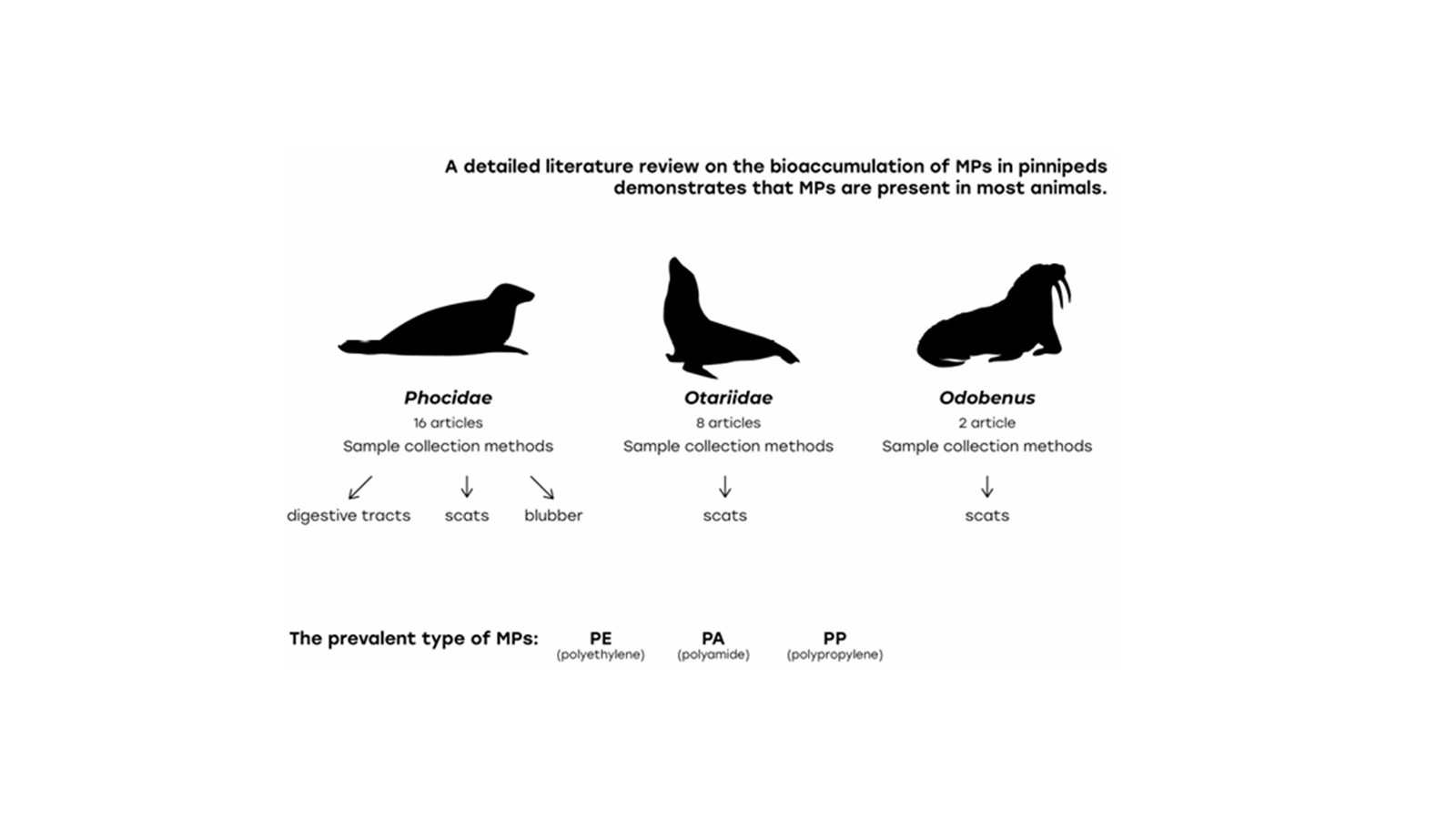


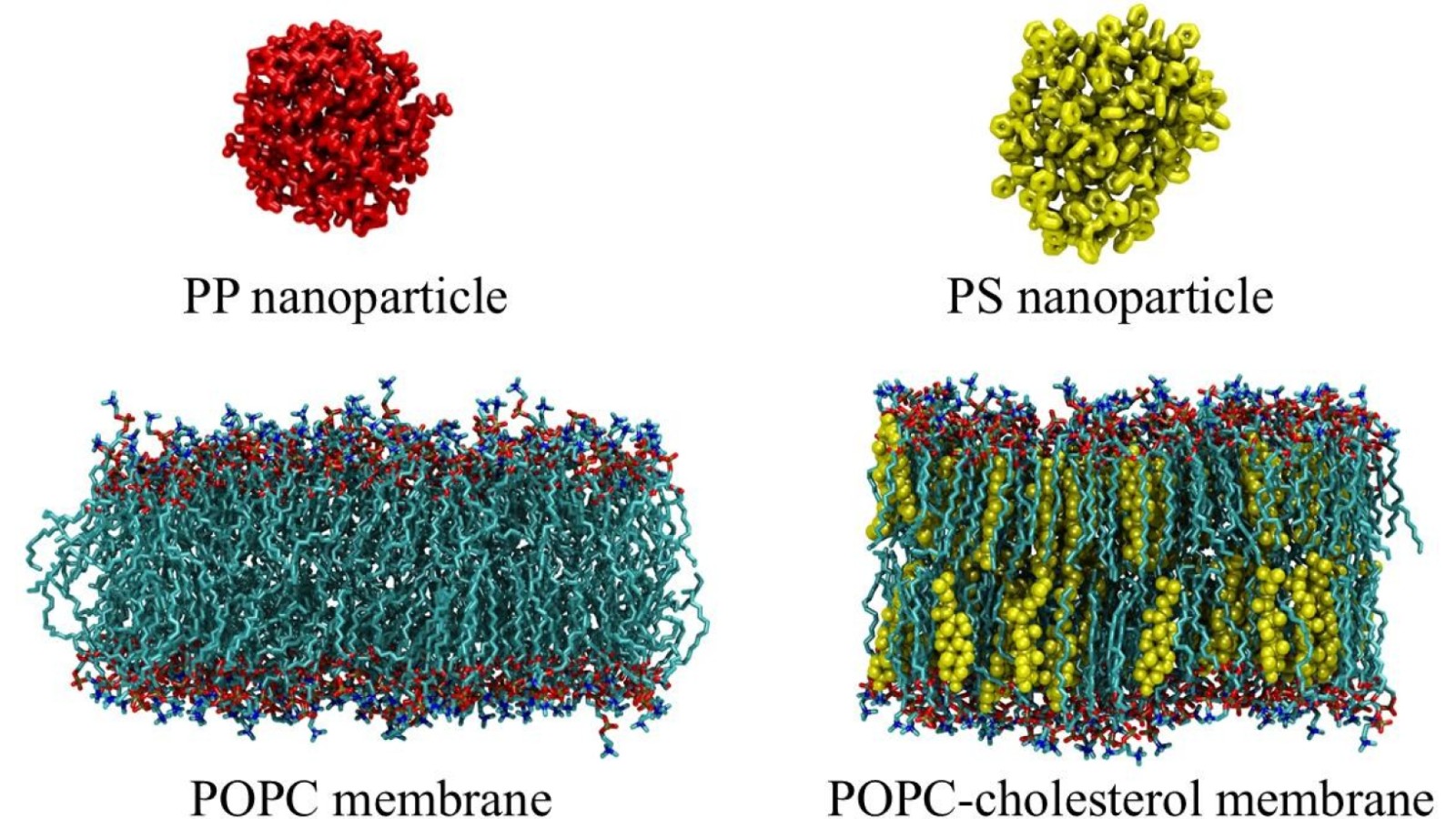
![Микропластик в воде и пище: [не]осведомленность](/upload/iblock/3a0/h99p373wv55ur266lw4qbbegvp6f8033.jpg)